



Hours
Mon: Closed
Tues: 9:00AM-5:00PM
Wed: 7:00AM-5:00PM
Thurs: 9:00AM-5:00PM
Fri: 8:00AM-4:00PM
Sat: 8:00AM-3:00PM

Chips, gaps, stains that whitening cannot shift, or teeth that never looked quite even? Porcelain veneers in Houston Heights cover the front of the teeth that show when you smile, in one tooth or a full set, with a natural, lasting result.

Porcelain veneers are thin, custom-made shells bonded to the front of your teeth to correct chips, gaps, discoloration, and uneven or misshapen teeth in one treatment. At Lush Dental Heights in Houston, each veneer is designed from a digital scan and made to match the shape and shade you want.
What veneers can fix: stains that do not respond to whitening, chipped or worn edges, small gaps, teeth that are slightly crooked or different lengths, and teeth that look too small or too narrow. Because every veneer is shaped individually, you can change one tooth that bothers you or redesign the whole smile line. If the main issue is crowding or bite, Invisalign may be the better route, and our post on whether veneers can fix crooked teeth without braces explains where that line falls.
Porcelain veneers vs. bonding vs. no-prep: porcelain is the longest-lasting and most natural-looking option, with a translucency that mimics enamel and a surface that resists stains. Dental bonding uses tooth-colored composite shaped directly on the tooth in a single visit; it costs less and needs little or no enamel removal, but it is less durable and stains more easily. For patients who want to keep their enamel untouched, we also offer no-prep veneer options, which are thinner and can often be placed without reshaping the tooth.
How the treatment works: it starts with a cosmetic consultation, where we look at your teeth, gums, and bite and talk through what you want to change. Your teeth are then prepared by removing a thin layer of enamel, a digital scan replaces the old goopy impression tray, and the scan goes to the lab that crafts your veneers. You wear temporary resin veneers while they are made, and at the final visit each veneer is checked for fit and shade and bonded permanently with dental adhesive.
Cost and what affects it: the cost of veneers depends on how many teeth are treated, the material, and whether any other work, such as whitening the neighboring teeth or a crown on a damaged tooth, is part of the plan. We give you a quote for the full treatment at your consultation. Veneers are cosmetic, so insurance rarely contributes, and financing is available through Cherry, CareCredit, Sunbit, and HFD, pending approval. If you want a brighter shade overall, we recommend teeth whitening first, then matching the veneers to the new color.
Veneers are one of several cosmetic dentistry options we offer, from a single bonded tooth to a full smile makeover, and you can see how they compare with the rest of our dental services before you decide. We welcome patients from Sunset Heights, Rice Military, Garden Oaks, and the surrounding Houston neighborhoods.
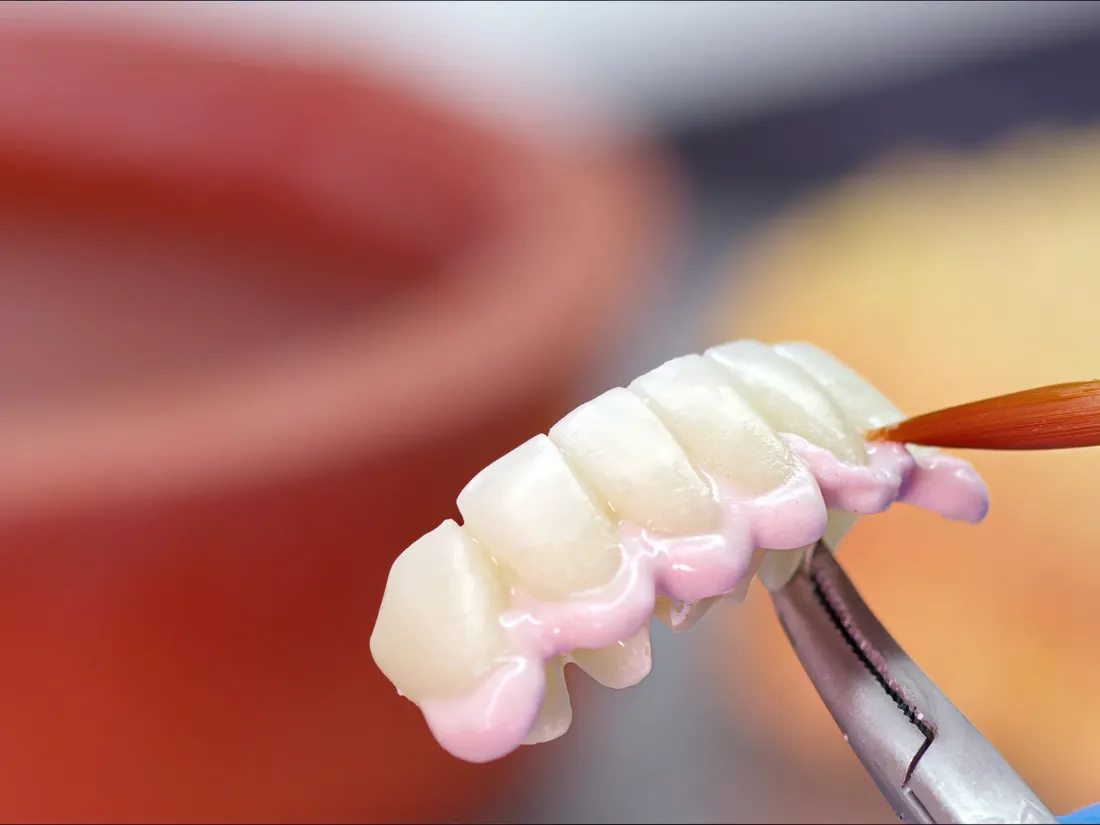

You do not need veneers on every tooth. Many patients treat only the six to eight teeth that show when they smile, and some change just one.
This is the differentiator paragraph copy. This is the differentiator paragraph copy. This is the differentiator paragraph copy. This is the differentiator paragraph copy.

See real patient success stories.
Porcelain is slightly translucent, like natural enamel, so light passes through a veneer the way it does a real tooth. Each one is shaped and shaded individually, which is why a well-made set is hard to tell from natural teeth.
A veneer can close a gap, hide a chip, lengthen a worn edge, and brighten a stained tooth at the same time, so problems that would otherwise need whitening, bonding, and reshaping are handled in one plan.
Porcelain resists coffee, tea, and wine stains far better than natural enamel or composite, and with normal brushing and flossing a set of veneers typically lasts 15 to 20 years.

At your cosmetic consultation we examine your teeth, gums, and bite, agree on the shape and shade you want, and confirm that veneers are the right option. At the preparation visit, the teeth receiving veneers are gently buffed to remove a thin layer of enamel so the veneer sits flush with the neighboring teeth.

A digital scanner captures the prepared teeth without a goopy impression tray, and photos are taken to record the shade. The scan goes to the dental lab that crafts your porcelain veneers, and you go home with a set of temporary resin veneers that protect the prepared teeth in the meantime.

When your custom veneers are back, we check the fit, color, and bite of each one and make any small adjustments. Once you are happy with the look, the veneers are bonded permanently to your teeth with dental adhesive, completing your new smile.

The cost of veneers depends on how many teeth receive them, the material (porcelain lasts longer and costs more than composite bonding), the size and shape of each tooth, and whether any other treatment is part of the plan. Treating one or two teeth costs a fraction of a full set of six to eight.
The accurate way to find out is a cosmetic consultation, where we examine your teeth and give you a quote for the complete treatment. Veneers are cosmetic, so insurance rarely covers them, but financing is available through Cherry, CareCredit, Sunbit, and HFD, pending approval.
You are likely a good candidate if your teeth and gums are healthy and your concern is cosmetic: stains, chips, gaps, worn edges, or teeth that are slightly uneven. Cavities and gum disease are treated first, and teeth with very large fillings or heavy damage may do better with a crown.
Veneers are also not ideal if you grind your teeth heavily, because grinding can chip porcelain; a night guard solves that for most patients. And if your teeth are significantly crowded or your bite is off, straightening with Invisalign first often gives a better long-term result than veneers alone.
Getting veneers is not painful. The teeth are numbed before the enamel is prepared, and most patients feel only mild sensitivity for a few days while they wear the temporaries and after the final bonding.
Caring for veneers is the same as caring for natural teeth: brush twice a day with a non-abrasive toothpaste, floss daily, and keep up with regular cleanings and exams. Avoid biting ice, pens, or fingernails, do not use your teeth to open packaging, and wear a night guard if you grind. Porcelain resists stains, but the cement line and your natural teeth do not, so moderation with coffee, tea, and red wine keeps the whole smile even.
A veneer covers only the front surface of a tooth and needs a thin layer of enamel removed. A crown covers the whole tooth and is the right choice when a tooth is cracked, heavily filled, or structurally weak rather than just cosmetically flawed.
Dental bonding is composite resin shaped directly on the tooth in one visit. It is quicker and less expensive than porcelain and needs little or no enamel removal, but it is not as strong, stains more easily, and usually lasts five to ten years rather than fifteen or more. At your consultation we will tell you which option fits each tooth.
Lumineers are a specific brand of veneer made from a proprietary ceramic that is noticeably thinner than a traditional porcelain veneer. Because they are so thin, they can often be placed with little or no reshaping of the tooth, which is why they are called no-prep or minimal-prep veneers.
The trade-off is that very thin veneers cannot mask dark stains as well and can look slightly bulkier on teeth that are not reshaped. We offer no-prep options and will show you at your consultation whether a traditional porcelain veneer or a minimal-prep veneer suits your teeth better.
Our veneers are made from high-quality dental porcelain, a ceramic that matches natural enamel in hardness and translucency and is shaded to blend with your other teeth. Porcelain is also highly stain-resistant, which keeps the color stable for years.
Temporary veneers, worn while the lab makes your permanent set, are made of resin. Resin is also used for composite bonding, a lower-cost alternative for small chips and gaps, but it does not look as natural or last as long as porcelain, so we reserve it for temporaries and minor repairs.
Most patients keep a set of porcelain veneers for 15 to 20 years, and some longer. How long yours last depends mainly on how you look after them: good brushing and flossing, regular check-ups, and protecting them from chewing ice, biting hard objects, and night-time grinding.
Over time an individual veneer may chip or come loose, and it can usually be repaired or replaced on its own without redoing the whole set. Regular exams let us check the bond and the gum line around each veneer so small problems are caught early.
Traditional porcelain veneers are not reversible. Because a thin layer of enamel is removed to make room for them, the teeth underneath will always need a veneer or crown to protect them, so veneers are a lifelong commitment rather than a temporary change.
If you would prefer to keep your enamel intact, ask about our no-prep veneer options or dental bonding, both of which remove little or no tooth structure. We will explain the differences at your consultation so you can choose with the long term in mind.

© Lush Dental Heights
Website by Wonderist Agency | Privacy Policy
