.png)
.png)
.png)

Hours
Mon: Closed
Tues: 9:00AM-5:00PM
Wed: 7:00AM-5:00PM
Thurs: 9:00AM-5:00PM
Fri: 8:00AM-4:00PM
Sat: 8:00AM-3:00PM

Removing a tooth is always the last option, never the first. But when a tooth is beyond repair, taking it out protects the healthy teeth and bone around it - and we plan the replacement before we start.
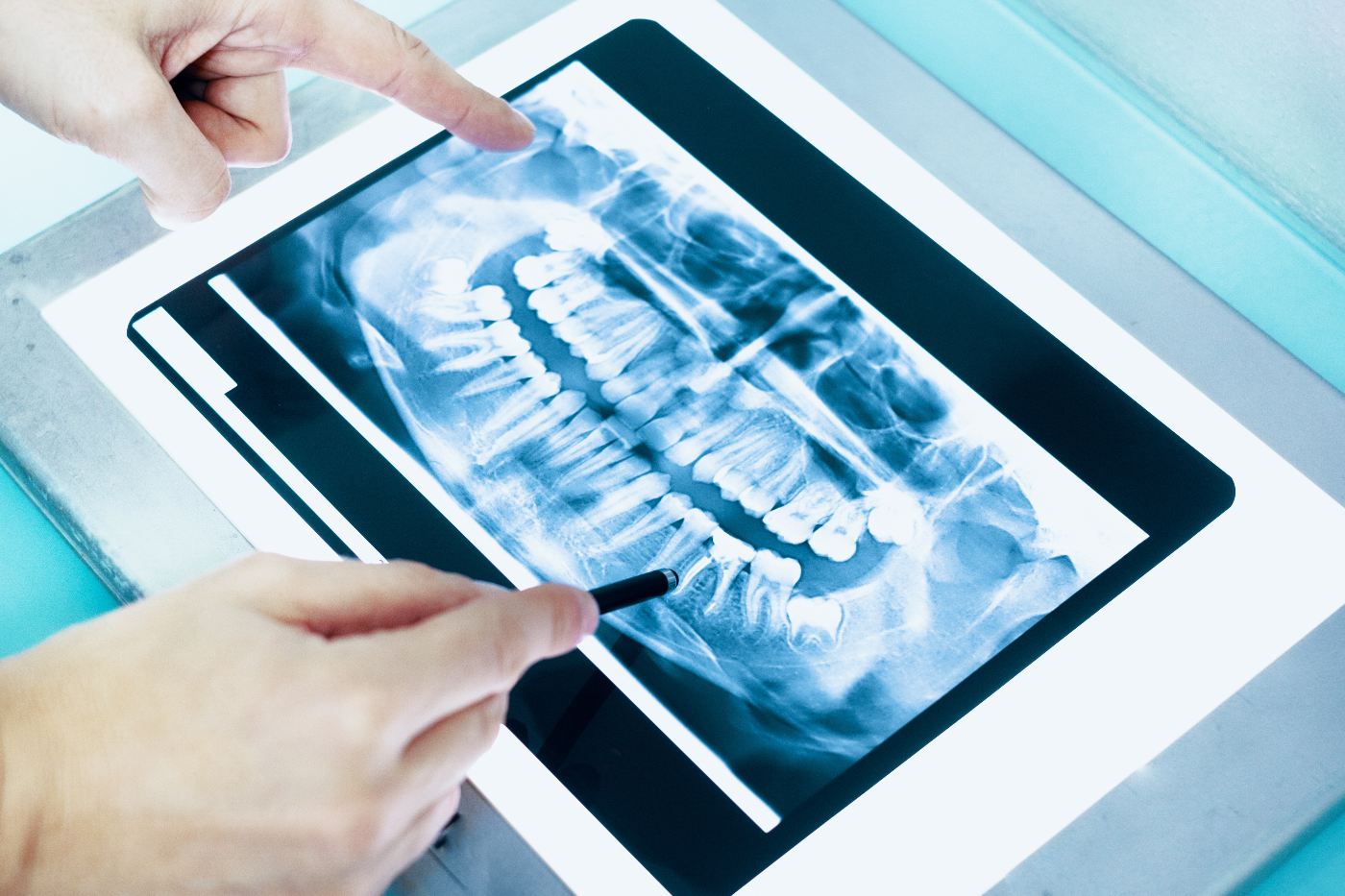
A tooth comes out when keeping it would cost you more than losing it: decay too deep to restore, a fracture running below the gum line, infection that will not resolve, or bone loss from gum disease that has left the tooth without support.
Before recommending an extraction we look hard at the alternatives - a filling, a crown, root canal therapy or periodontal treatment. If one of those can save the tooth predictably, that is what we will suggest instead.


The gap matters as much as the tooth. Neighbouring teeth drift into an empty space and the bone beneath it shrinks, which is why planning the replacement before the extraction gives you the best result.
This is the differentiator paragraph copy. This is the differentiator paragraph copy. This is the differentiator paragraph copy. This is the differentiator paragraph copy.

See real patient success stories.
Removing a tooth that cannot be saved takes away the source before infection reaches the surrounding bone.
A failing tooth puts strain and infection risk on everything next to it. Removing it protects the teeth you are keeping.
We discuss how the gap will be filled before the tooth comes out, so you are never left wondering what happens next.
An X-ray shows the shape of the root, how it sits in the bone and its position relative to the nerve and sinus. That is what determines the approach, and whether the tooth is best treated here or by a specialist.
The area is numbed fully and given time to take effect. The tooth is then loosened within the socket and lifted out. With the area properly numb you notice firm pressure and movement rather than sharpness.
The socket is cleaned, stitches are placed if needed, and you bite on gauze so a clot can form. You leave with written aftercare instructions, a point of contact, and a plan for replacing the tooth.

Not always. Where a tooth sits deep in the bone or lies close to a nerve, the safest course is a referral to an oral surgeon. The examination and X-ray tell us which applies to you, and we will say so plainly before any treatment is booked.
Yes, and in most cases it should be. Dental implants, bridges and partial dentures are all options, and which one suits you depends on where the gap is and how much bone is available. We go through the trade-offs before the extraction rather than after.
For the first 24 hours avoid straws, smoking, vigorous rinsing and hot drinks, since all of them risk dislodging the clot protecting the socket. Stick to soft foods, chew on the other side, and keep brushing the rest of your mouth normally.
After a straightforward extraction most people are back to their normal routine within a day or two, and the gum closes over the socket in roughly one to two weeks. Bone healing underneath continues for several months.
The area is fully numbed before anything begins, so during the procedure most patients feel pressure and movement rather than pain. Afterwards there is genuine soreness for a day or two, usually managed with over-the-counter pain relief.

© Lush Dental Heights
Website by Wonderist Agency | Privacy Policy
