


Hours
Mon: Closed
Tues: 9:00AM-5:00PM
Wed: 7:00AM-5:00PM
Thurs: 9:00AM-5:00PM
Fri: 8:00AM-4:00PM
Sat: 8:00AM-3:00PM

A permanent crown in one visit, not three. Same-day CEREC crowns in Houston Heights are scanned, designed, milled, and fitted while you wait, so there is no temporary crown to look after and no second appointment to book.
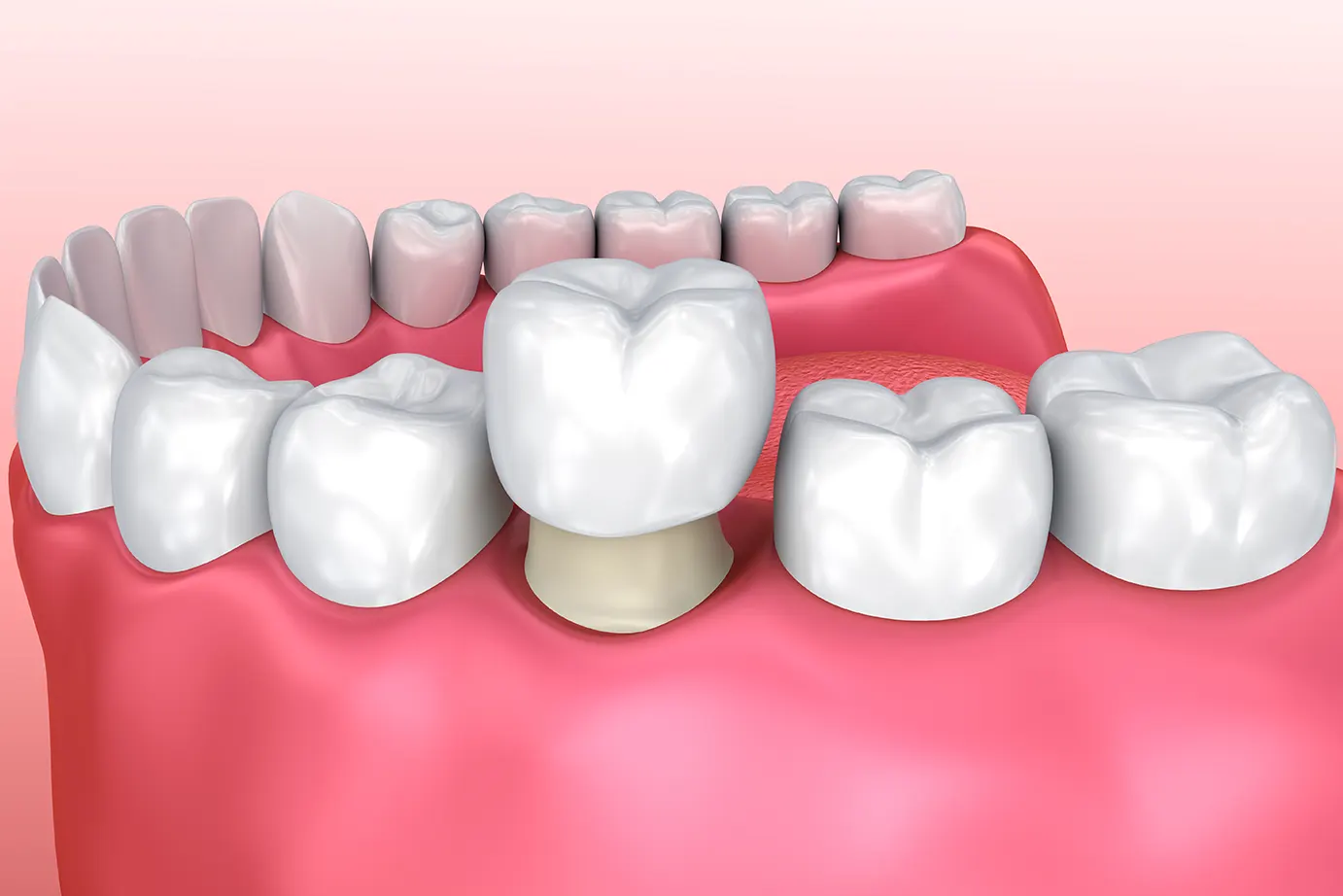
A same-day crown is a permanent ceramic crown that is designed and milled in our Houston Heights office during a single appointment, using a digital scan and CAD/CAM technology instead of a lab. You arrive with a damaged tooth and leave about an hour later with your new crown in place.
How it is different from a traditional crown: a lab-made crown needs two visits a couple of weeks apart and a temporary crown in between, which can come loose or feel rough. With a same-day crown, the tooth is prepared, scanned with a 3D scanner, and the crown is milled from a solid block of ceramic in about 15 to 20 minutes, then shaded, checked, and bonded in the same visit. The result is a strong, natural-looking crown without the wait.
Who same-day crowns suit: most teeth that need a new crown, including cracked or broken teeth, teeth with large failing fillings, and teeth that have had root canal therapy. Because everything happens in one visit, they are especially useful if you are fitting treatment around work, and our office is an easy trip from Sunset Heights, Garden Oaks, and Greater Heights. For a very visible front tooth, or a bite that calls for a specific material, we may recommend a lab-made dental crown instead, and we will tell you which at the exam.
Cost and insurance: a same-day crown is priced like a traditional crown, and because it restores a damaged tooth it is usually covered in part by dental insurance. We accept most plans, including Aetna, Cigna, Delta Dental, Guardian, MetLife, and UnitedHealthcare, and are happy to help you check your coverage. You get the cost before the tooth is prepared, and financing is available through Cherry, CareCredit, Sunbit, and HFD, pending approval.
Crowns made this way belong to our wider restorative dentistry care, alongside the other ways a damaged tooth can be rebuilt. If your tooth has just broken or is painful, our emergency dentist page explains how to get seen today, and our post on same-day vs. traditional crowns goes deeper into the trade-offs.
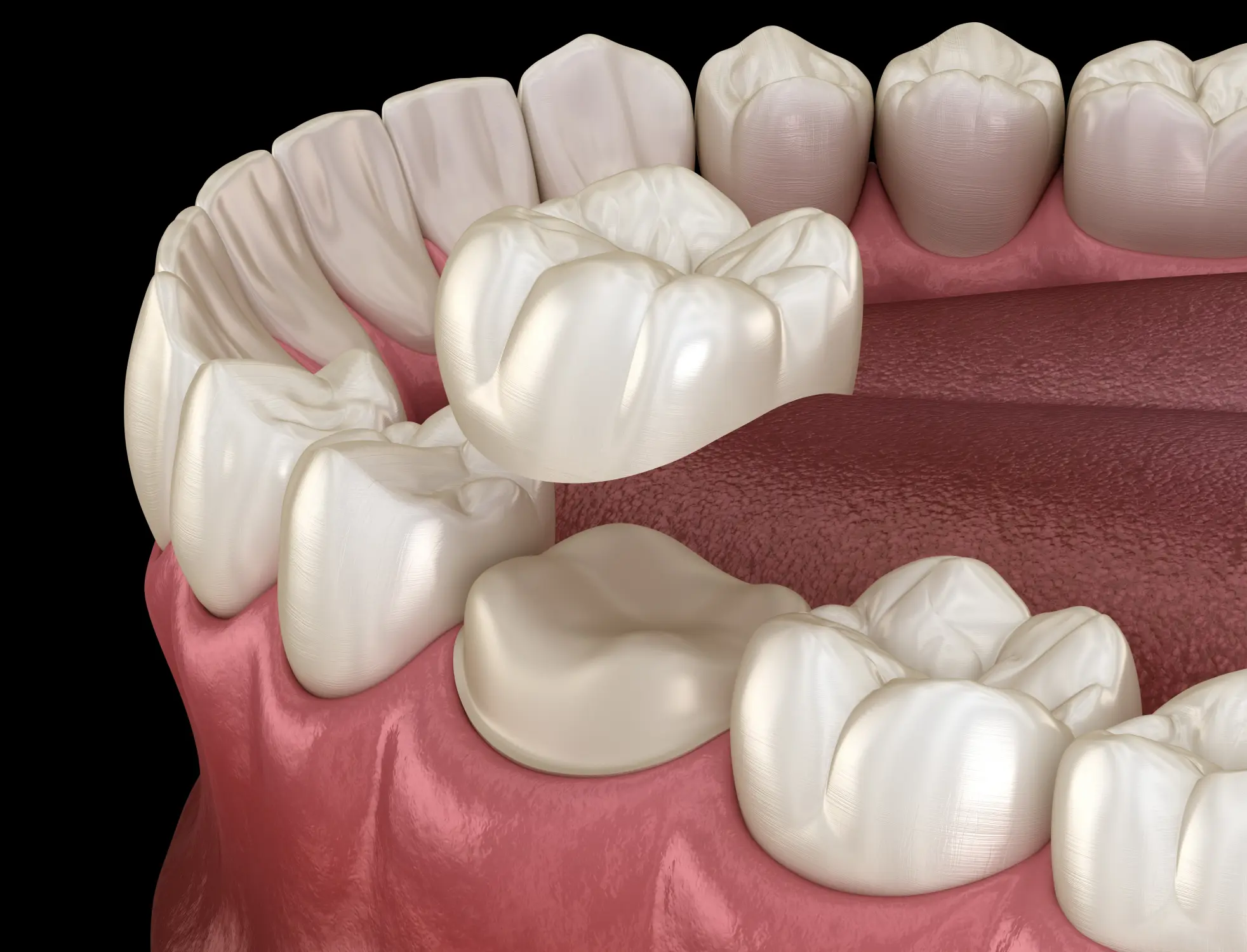

The milling machine carves your crown from a single block of ceramic in about 15 to 20 minutes; the rest of the hour is preparing the tooth, scanning, and fitting.
This is the differentiator paragraph copy. This is the differentiator paragraph copy. This is the differentiator paragraph copy. This is the differentiator paragraph copy.

See real patient success stories.
You leave the office with your permanent crown in place. There is no temporary crown to protect for two weeks, no risk of it coming loose, and no second appointment to fit around your schedule.
The crown is designed from a 3D scan of your prepared tooth and milled to those exact dimensions, which means a snug margin at the gum line and a bite that needs little adjustment. A good seal is what keeps decay out and the crown in service for years.
Same-day crowns are milled from solid ceramic blocks that are shaded to match your teeth and stand up to normal biting and chewing just as a lab-made crown does. On most teeth the result is indistinguishable from the tooth it replaced.

Dr. Noorian examines the tooth and confirms a same-day crown is the right fix. The tooth is numbed and reshaped, then a 3D scanner captures its exact contours and the teeth around it, with no messy impression putty. The crown is designed on screen from that scan while you wait.

The design is sent to the milling machine in our office, which carves your crown from a solid block of ceramic in about 15 to 20 minutes. The crown is then shaded and glazed to match your natural teeth.
Dr. Noorian seats the crown, checks the fit against the gum and the neighboring teeth, and adjusts your bite until it feels like your own tooth. The crown is then bonded permanently, and you can eat normally once the numbness wears off.

A same-day crown costs about the same as a traditional lab-made crown; what changes is the number of visits, not the price. The exact fee depends on the tooth, whether a build-up or root canal is needed first, and your insurance, and we give you the figure before the tooth is prepared.
Because a crown restores a damaged tooth, most dental plans cover part of it, commonly around half after your deductible. We accept most insurance plans and can help you check your benefits, and financing is available through Cherry, CareCredit, Sunbit, and HFD, pending approval.
CEREC is the CAD/CAM system that makes same-day crowns possible. It combines a digital scanner that captures your prepared tooth, design software that shapes the crown to fit your bite, and a milling machine that carves the crown from a block of ceramic in the office.
The technology has been used in dentistry for decades, and the ceramic blocks it uses are the same class of material found in lab-made all-ceramic crowns. The difference is where and how quickly the crown is made, not whether it is a temporary measure.
For most teeth, yes, including molars that take heavy chewing and front teeth with ordinary shading. We look at the position of the tooth, how much of it is left, and how you bite before recommending one, since the best material is not the same for every tooth.
A lab-made crown can be the better choice for a highly visible front tooth where a technician layers porcelain by hand to match complex translucency, or for a bite that needs a particular material. If that is the case we will say so at the exam, and the process is otherwise the same.
Treat it like a natural tooth. Brush twice a day, floss around it daily, and keep up with your regular check-ups so we can monitor the margin where the crown meets the tooth. The tooth underneath can still decay at the gum line if plaque is left there.
Avoid chewing ice or using your teeth to open packaging, and if you grind at night, a night guard will protect the crown and the teeth around it.
No. The tooth is numbed before it is prepared, so the appointment itself should not be painful; most patients feel vibration and pressure rather than discomfort. The longest part is simply waiting for the crown to be milled.
It is normal for the tooth to feel slightly tender or sensitive to temperature for a few days afterward as things settle. If discomfort is getting worse rather than better, or your bite feels high, call us so we can check it and make a small adjustment.
No, and that is one of the main advantages. Because your permanent crown is made during the same appointment, there is no waiting period and no temporary crown to look after, work around, or worry about coming loose.
With a traditional crown, the temporary is the stage where most problems happen: it can fall off, feel rough, or let the tooth become sensitive. Skipping it means fewer surprises between visits.
A well-made same-day crown is designed to stand up to normal biting and chewing just as a laboratory-made crown does. It is milled from a solid block of ceramic, which gives it a dense, uniform structure, and it is bonded to the tooth the same way a lab crown is.
The difference is where and how quickly it is made, not whether it is a temporary measure. We look at the position of the tooth and how you bite before recommending one, since the best material is not the same for every tooth. Our blog compares the two in more detail.
Plan on a single longer visit rather than two shorter ones, usually around one to two hours in total. The crown itself is milled in about 15 to 20 minutes, and that sits alongside numbing and preparing the tooth, scanning, shading, and fitting and adjusting the finished crown.
You leave with the permanent crown already in place, so there is no second appointment to book and you can eat normally once the numbness wears off.

© Lush Dental Heights
Website by Wonderist Agency | Privacy Policy
