.png)
.png)
.png)

Hours
Mon: Closed
Tues: 9:00AM-5:00PM
Wed: 7:00AM-5:00PM
Thurs: 9:00AM-5:00PM
Fri: 8:00AM-4:00PM
Sat: 8:00AM-3:00PM

TMJ trouble rarely announces itself as a jaw problem. It usually arrives as a headache on waking, an ache along the side of the face, a click when you yawn, or the sense that your bite has quietly shifted. Some people find their jaw tires while eating; others notice their partner hears the grinding before they do.
Because the symptoms spread out across the head and neck, they are often treated everywhere except the joint itself. A dental assessment is worth having because so many cases trace back to how the teeth meet and how hard they are being pressed together overnight.
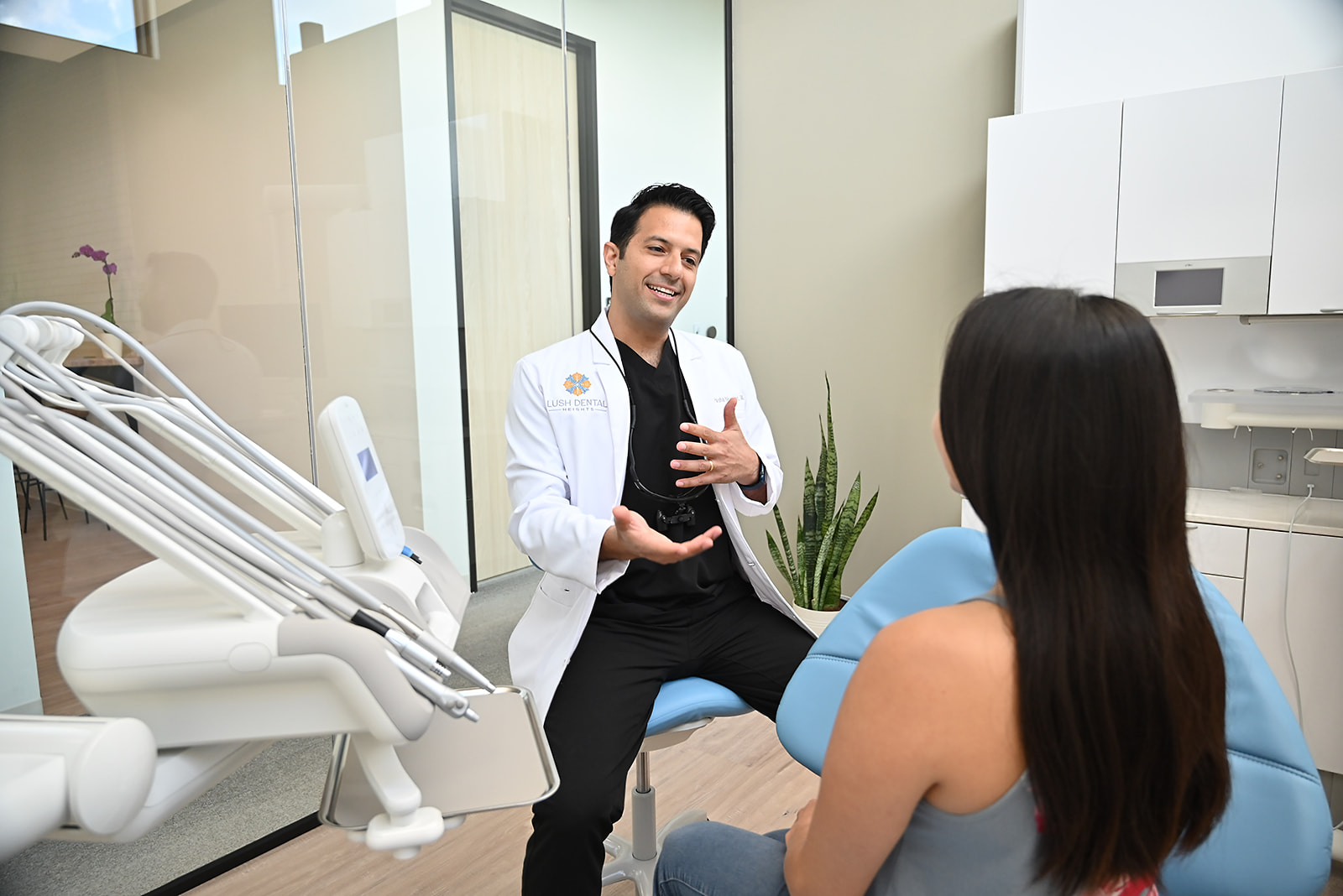
We begin by working out what is actually driving it. That means examining how your teeth meet, checking the joints as you open and close, feeling the muscles along the jaw and temple for tenderness, and looking for the flattened, polished wear facets that indicate grinding. Your own account of when the pain is worst is often the most useful piece of information.
For most people, the first step is conservative and reversible: a custom-fitted splint worn at night, which separates the teeth and takes the load off the joint and the muscles. Alongside it we look at the everyday contributors - daytime clenching, chewing habits, posture at a desk, and whether a high spot on a filling or crown is pushing the bite off.
Where symptoms do not settle or the joint itself appears damaged, we will say so and refer you to an oral and maxillofacial specialist rather than keep adjusting from here.
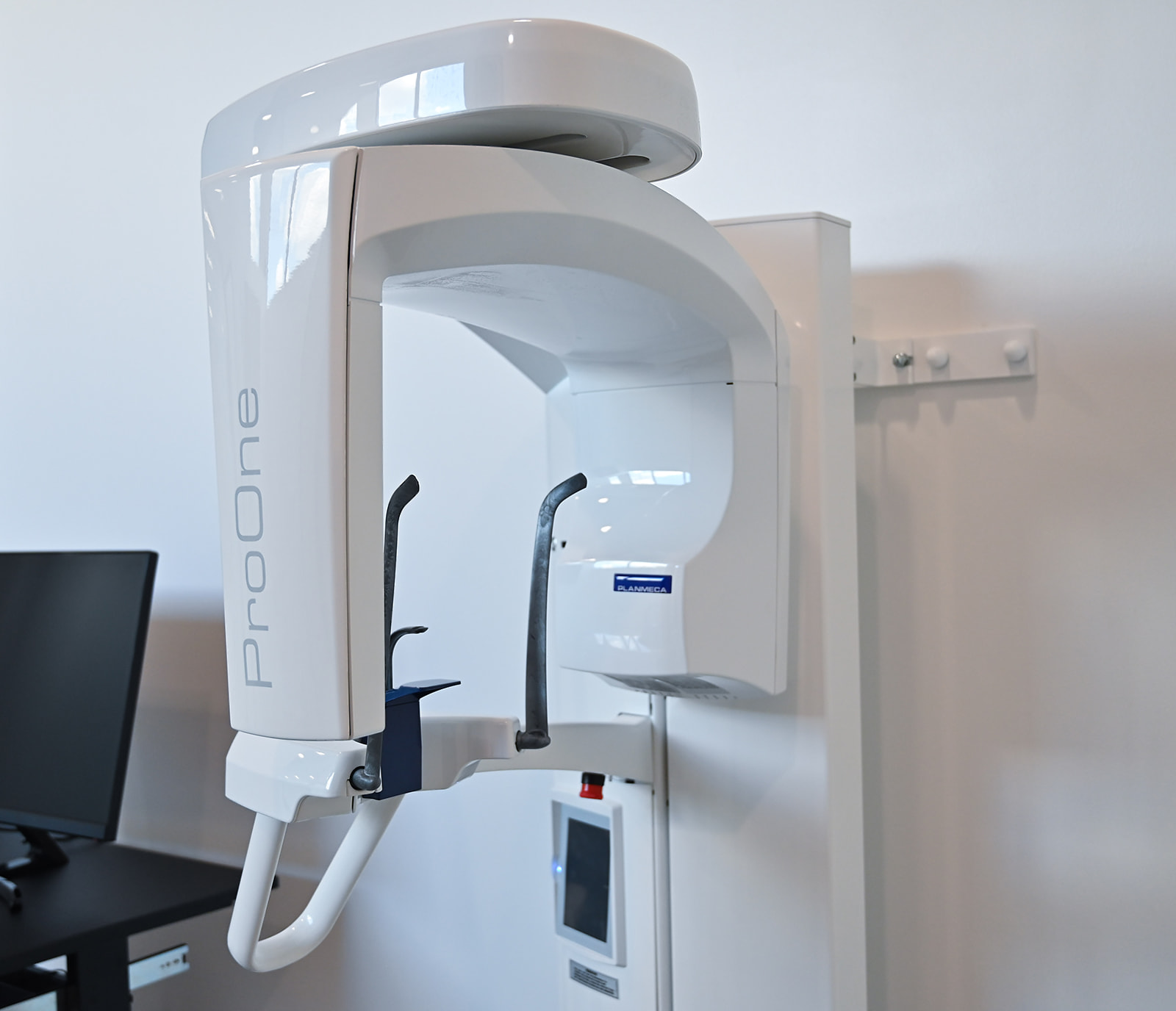

Most people who grind their teeth do it while asleep and have no idea until the wear shows up on an exam - which is why a dental assessment often explains a headache no one could account for.
This is the differentiator paragraph copy. This is the differentiator paragraph copy. This is the differentiator paragraph copy. This is the differentiator paragraph copy.

See real patient success stories.
We examine the joint, the muscles and the way your teeth meet together, because a bite problem and a muscle problem need different answers.
A custom night splint changes nothing permanent about your teeth. It is the conservative first step, and for many people it is the only one needed.
Untreated grinding flattens enamel, cracks fillings and shortens teeth. A splint takes that force before your teeth do.
We take your history of the pain, examine the joints as you open and close, check the jaw and temple muscles for tenderness, and look for wear patterns that point to grinding.
If a splint is appropriate, we take impressions and have one made to fit your teeth precisely. A lab-made splint fits and lasts in a way an over-the-counter guard does not.
We see you again to check the fit, adjust the contact points as the muscles relax, and review what has changed - then decide together whether anything further is warranted.

Then it needs someone else. If symptoms persist or the joint itself appears damaged, we refer you to an oral and maxillofacial specialist. We will tell you when we have reached the limit of what general dentistry should be doing.
It varies. Some people notice easier mornings within a couple of weeks of wearing a splint; for others it is more gradual, and we adjust the splint at review appointments as the muscles settle.
The first-line treatment we offer - a custom splint - is completely reversible and changes nothing about your teeth. We start there deliberately, before considering anything that alters the bite permanently.
It may cushion the teeth, but it is not fitted to your bite and can sometimes make matters worse by holding the jaw in an unhelpful position. A splint made from impressions of your own teeth fits precisely and can be adjusted as symptoms change.
Jaw pain or tightness, clicking or popping when you open, headaches on waking, aching around the temples or ears, difficulty opening wide, or a bite that feels like it has changed. Many people have several at once.

© Lush Dental Heights
Website by Wonderist Agency | Privacy Policy
