.png)
.png)
.png)

Hours
Mon: Closed
Tues: 9:00AM-5:00PM
Wed: 7:00AM-5:00PM
Thurs: 9:00AM-5:00PM
Fri: 8:00AM-4:00PM
Sat: 8:00AM-3:00PM

A denture should let you eat, speak and smile without thinking about it. Getting there is a matter of fit, and fit is a matter of care taken at the impression stage rather than luck.
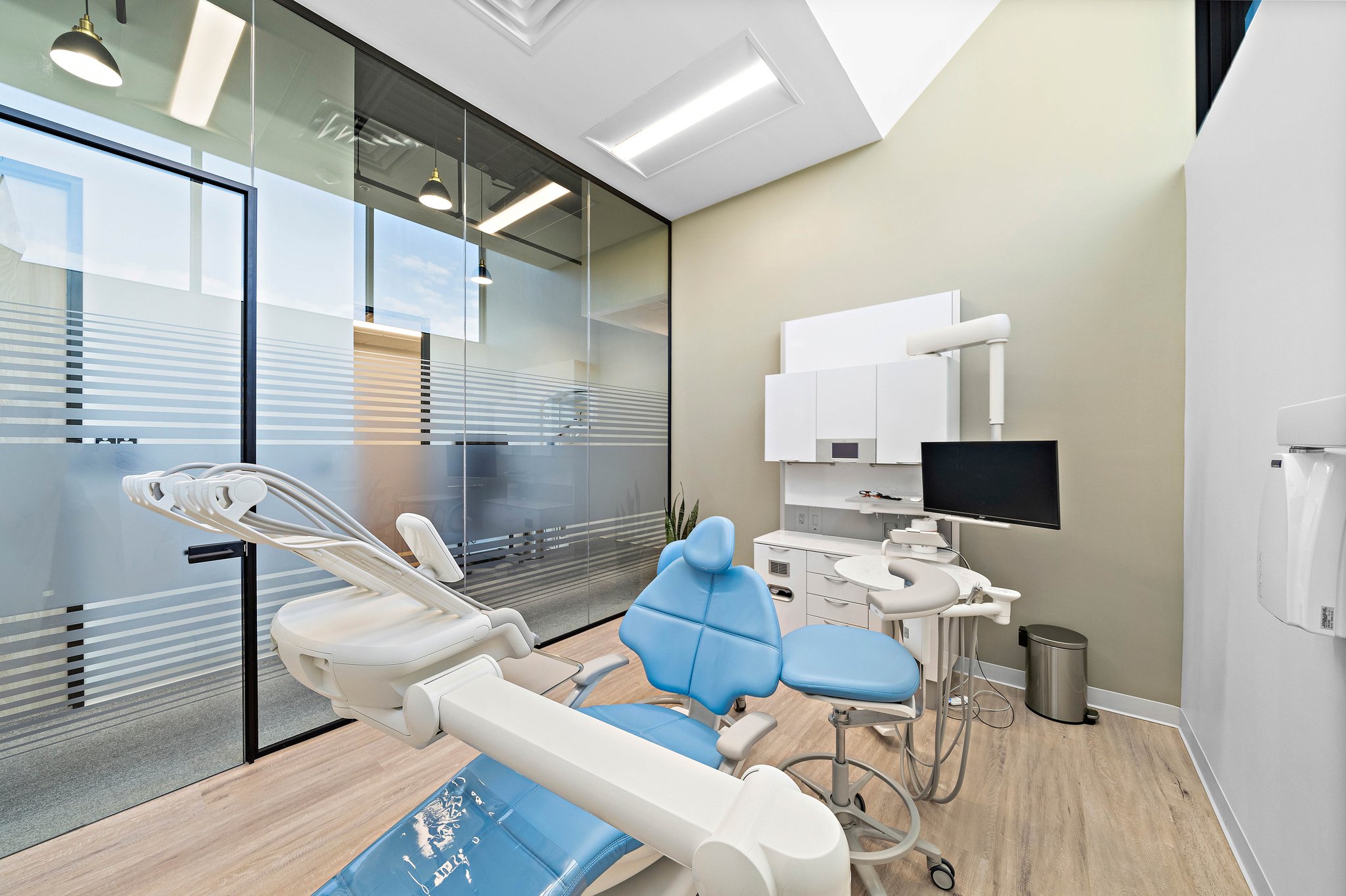
Where several teeth or an entire upper or lower set are missing, dentures restore the ability to chew properly and give the lips and cheeks the support that keeps your face looking like itself. A partial denture fills the gaps around teeth you still have; a full denture replaces an entire arch.
They are also the most accessible option. Where a fixed solution is not practical - for cost, bone levels or timing - a well-made denture restores a great deal of function and can be made while other plans are considered.
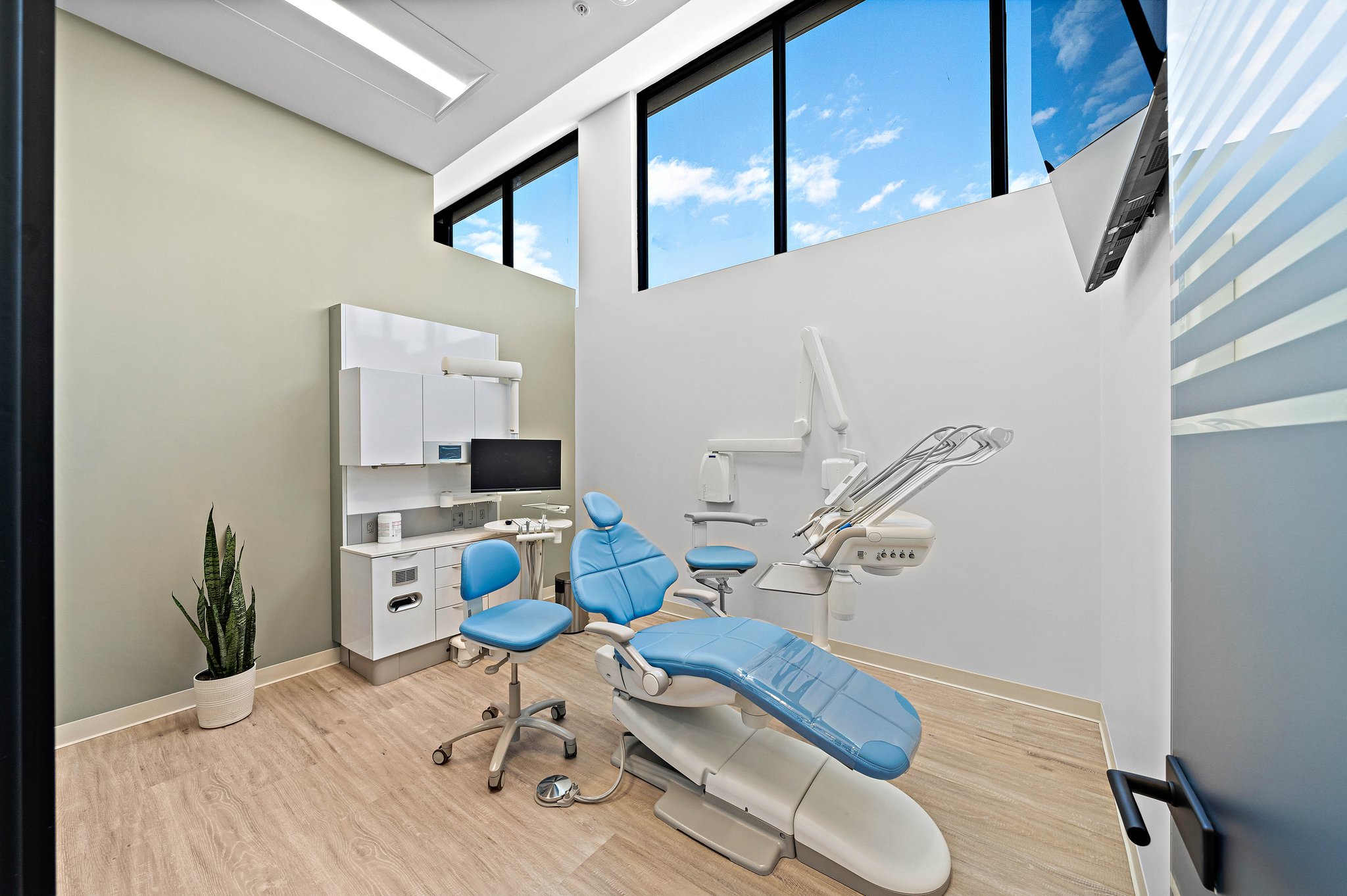

Dentures rest on the gum rather than in the bone, so the ridge underneath slowly changes shape over time. That is why a denture that fit perfectly a few years ago may need relining rather than replacing.
This is the differentiator paragraph copy. This is the differentiator paragraph copy. This is the differentiator paragraph copy. This is the differentiator paragraph copy.

See real patient success stories.
Replacing missing teeth restores the function you notice most - eating a normal meal and speaking without hesitation.
Teeth support the lips and cheeks. Filling the gaps helps prevent the sunken look that follows tooth loss.
Where a fixed option is not right for now, a well-made denture restores a great deal quickly, and other plans stay open.
We examine the gums and any remaining teeth, discuss what you want the result to look like, and take detailed impressions of your mouth that the denture is built from.
A trial denture lets you see the shape, colour and position of the teeth before anything is finalised. This is the stage where changes are easy, so it is worth being particular.
The finished denture is fitted and adjusted for comfort and bite. Small adjustments in the first weeks are normal and expected, and we schedule them rather than leaving you to cope.

Most foods, yes, with some adjustment in technique. Start with softer items cut small, chew on both sides at once to keep the denture stable, and reintroduce harder or stickier foods gradually as your confidence grows.
Clean them daily over a basin of water or a folded towel so a slip does not break them, and leave them out overnight unless told otherwise, so the gums get a rest. Keep seeing us for check-ups even if you have no natural teeth left - we still examine the gums and soft tissues.
Almost certainly, and that is normal. The ridge underneath changes shape over time, so periodic adjustments or a reline keep the fit secure. A denture that has become loose usually needs relining rather than replacing.
A partial denture replaces some missing teeth and clasps onto the teeth you still have. A full denture replaces an entire upper or lower arch and rests on the gum. Which you need depends simply on how many natural teeth remain.
Most people need a few weeks. Speech and eating feel unfamiliar at first and improve steadily as the muscles adapt. Starting with softer foods and reading aloud at home both speed that up considerably.

© Lush Dental Heights
Website by Wonderist Agency | Privacy Policy
