.png)
.png)
.png)

Hours
Mon: Closed
Tues: 9:00AM-5:00PM
Wed: 7:00AM-5:00PM
Thurs: 9:00AM-5:00PM
Fri: 8:00AM-4:00PM
Sat: 8:00AM-3:00PM

Root canals have a reputation they no longer deserve. The procedure is not the source of the pain - it is what ends it, and it lets you keep a tooth that would otherwise have to come out.
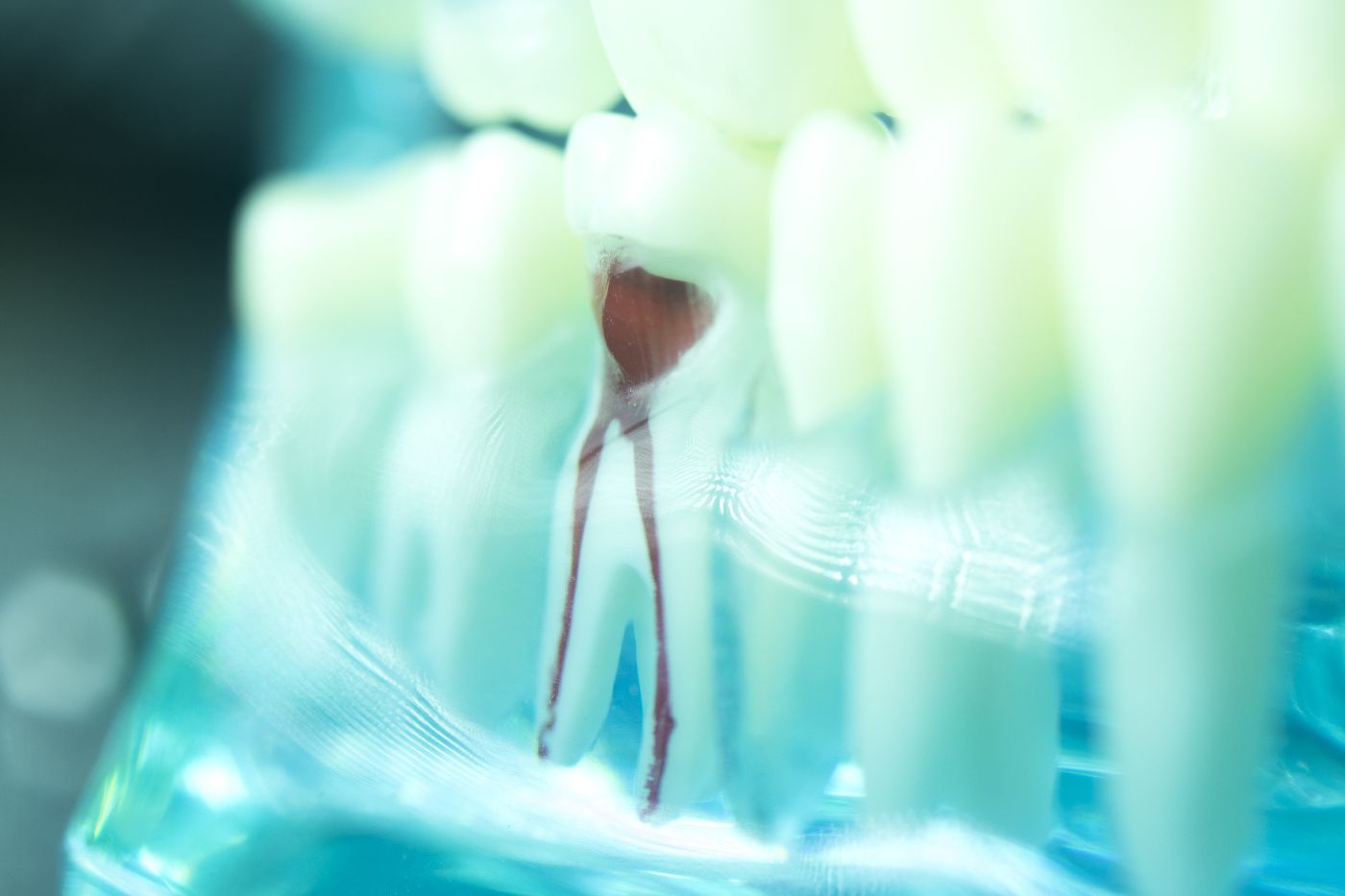
When infection reaches the pulp at the center of a tooth, there are only two realistic paths: remove the infected tissue and keep the tooth, or remove the tooth entirely. Root canal therapy is the option that saves it.
Keeping your own tooth matters more than most people realize. A natural root holds the bone around it, keeps neighbouring teeth from drifting and preserves your bite exactly as it was. No replacement does all three as well as the tooth you already have.
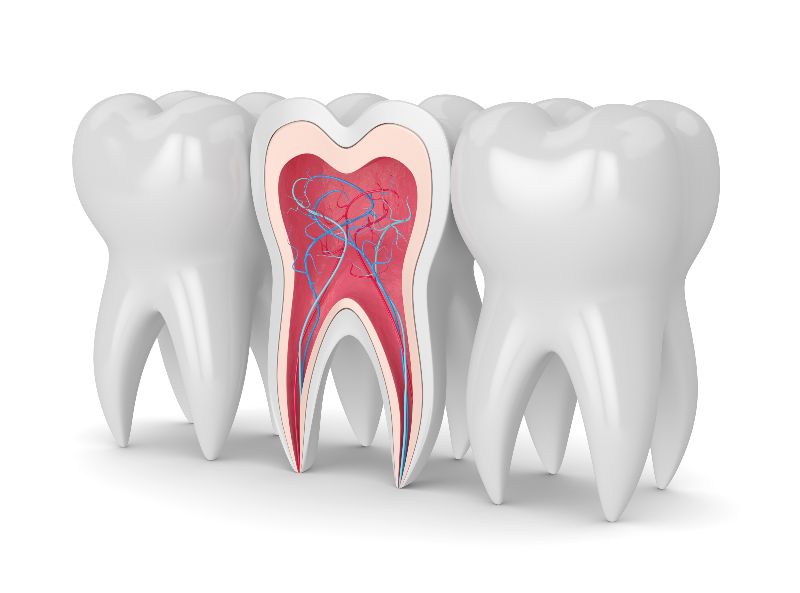

The pain people associate with root canals is caused by the infection, not the treatment. Most patients say the appointment felt much like having a filling.
This is the differentiator paragraph copy. This is the differentiator paragraph copy. This is the differentiator paragraph copy. This is the differentiator paragraph copy.

See real patient success stories.
No bridge, implant or denture replicates a natural root. Saving the tooth keeps your bite and the bone around it intact.
The toothache comes from infected tissue inside the tooth. Removing it addresses the cause rather than masking the symptom.
Treating the canal prevents infection travelling into the surrounding bone, which is a far more serious problem to solve.
An examination and X-ray confirm the tooth and the extent of the infection. The area is then numbed thoroughly, so the procedure itself is comfortable.
A small opening is made in the tooth, the infected pulp is removed, and the canal is cleaned and disinfected along its full length before being shaped ready to seal.
The canal is filled and sealed to keep bacteria out. Because a treated tooth becomes more brittle, it is usually protected with a dental crown so it can handle normal biting again.

Rarely. An extraction is quicker in the moment, but it leaves a gap that then needs replacing, and the bone beneath it begins to shrink. Where a tooth can be saved predictably, saving it is almost always the better long-term decision.
Usually, on back teeth. Removing the pulp leaves the tooth more brittle, and a crown protects it from fracturing under normal chewing forces. We will tell you whether your tooth needs one as part of the treatment plan.
It depends on the tooth. Front teeth have a single canal and are quicker; back molars have several and take longer. Some cases are completed in one appointment and others are staged across two.
Common signs include lingering sensitivity to hot or cold, pain when biting on one particular tooth, a tooth that has darkened, or a pimple-like bump on the gum nearby. Only an examination and X-ray can confirm it, and some infected teeth cause no pain at all.
The tooth is fully numbed before treatment starts, so during the appointment most patients report it feeling very similar to having a filling placed. The severe pain people associate with root canals comes from the infection beforehand, which the treatment relieves.

© Lush Dental Heights
Website by Wonderist Agency | Privacy Policy
