Hours
Mon: Closed
Tues: 9:00AM-5:00PM
Wed: 7:00AM-5:00PM
Thurs: 9:00AM-5:00PM
Fri: 8:00AM-4:00PM
Sat: 8:00AM-3:00PM


That is a far larger cost, in money and in appointments, than the guard that would have prevented it. The guards sold in stores are boil-and-bite: softened in hot water and bitten into shape. They are better than nothing, but they are bulky, they loosen as they are chewed, and they make talking awkward - so they end up pushed to the side of the mouth or left in a bag. A guard that is not being worn protects nothing.
A custom guard starts from an impression or scan of your own teeth, so the finished appliance grips the teeth precisely rather than being held in by clenching. That single difference is what makes it comfortable enough to actually wear for a full game.
Because it fits, it can also be made thinner where thickness is not needed and thicker over the areas that take impact, which protects the front teeth and helps cushion the jaw without the bulk of a store-bought guard. It does not slip when you speak, and it does not need to be re-bitten every season.
Children and teenagers need them remade as they grow and as permanent teeth come through - we check the fit at regular visits and let you know when one has been outgrown. Guards are also made for adults in martial arts, hockey, basketball, skateboarding and any sport where a stray elbow is part of the game.
Grinding your teeth at night is a different problem and needs a different appliance - see night guards for that, and TMJ treatment if the grinding comes with jaw pain or headaches. If a tooth has already been knocked out or broken, go straight to emergency dental care.
A custom guard belongs with the rest of our preventive dental care, alongside night guards and routine exams.

The loss is fastest in the first months after an extraction and continues slowly for years afterward. The practical consequence usually surfaces later, when someone decides to replace the missing tooth and is told there is not enough bone left to place an implant. A graft is what closes that gap, and placing one at the time of the extraction often prevents the problem arising at all.
There are two common situations. The first is ridge preservation: grafting material is placed into the socket at the same appointment as an extraction, which limits how much the ridge collapses and keeps a future implant straightforward. The second is building bone back where a tooth has been missing for a while and the site is now too thin or too shallow for an implant to be placed safely.
We assess the site with imaging to measure how much bone is present and what sits nearby - the nerve in the lower jaw, or the sinus above the upper back teeth. Grafting material is then placed and covered, and the body gradually replaces it with its own bone. That healing takes months rather than weeks, which is why implant treatment involving a graft is planned as a sequence of appointments rather than a single visit.
Not every case belongs in a general practice. Larger reconstructions and sinus lifts are frequently handled by a periodontist or oral surgeon, and where yours is one of those we will say so and refer you rather than stretch the treatment to fit.
Grafting is one step inside our restorative dentistry care, which is where the implant or bridge it prepares for gets planned.
Not every wisdom tooth needs to come out. A tooth that has erupted straight, bites properly against its opposite number and can be cleaned is a normal molar and worth keeping. The decision depends on what the X-ray shows and how the tooth is behaving, which is why an assessment comes first.
It starts with a panoramic X-ray, which shows all four wisdom teeth at once along with the angle they sit at, how much room there is behind the second molars, how far the roots have formed, and how close they lie to the nerve in the lower jaw. That single image answers most of the question.
We then look at what the tooth is actually doing: whether it is decayed or has decayed the tooth in front, whether the gum around it is repeatedly inflamed, whether it can be cleaned, and whether it is causing pain. A symptom-free tooth in a good position is usually left alone and monitored.
Where the tooth is removed depends on how it sits. A wisdom tooth that has erupted normally is generally a straightforward extraction. One that lies deep in the bone, sits at a sharp angle, or has roots close to the nerve is surgical, and those cases are commonly handled by an oral and maxillofacial surgeon. We will tell you which category you are in after the X-ray, and arrange the referral if that is the right route rather than attempt something that belongs elsewhere.
Where a wisdom tooth has damaged the molar beside it, repairing that molar falls under our restorative care.
It can be a gumline that runs unevenly across the front teeth, one tooth that appears shorter than the one beside it, or gum tissue that covers enough of the teeth that the smile reads as gummy. People often assume the only fix is to change the teeth themselves - veneers or crowns on teeth that are perfectly healthy. Frequently the more conservative answer is to adjust the tissue instead and leave the teeth alone.
We start by looking at your smile at rest and at full smile, measuring how much tooth shows, and mapping where the gumline should sit for the proportions to read as even. That plan is shown to you before anything is done, so you can see the intended result rather than describe it.
The procedure itself removes or reshapes a small amount of gum tissue along the planned line. The area is numbed first, and most cases are completed in a single visit. Because only soft tissue is being reshaped, recovery is usually a matter of days rather than weeks, with tenderness and a soft-food diet for a short period.
Gum contouring is often planned alongside other cosmetic work. Where the gumline is being corrected before veneers or crowns, we allow the tissue to settle fully before the final restorations are made, so the margins sit where they should. If what you need is bone-level surgery rather than soft-tissue reshaping, we will refer you to a periodontist.
Reshaping the gum line sits among our cosmetic treatments, and it is often planned alongside veneers or crowns rather than on its own.
Many people who have been diagnosed are prescribed CPAP and find they cannot tolerate the mask. Others snore heavily without apnea and are told there is nothing to be done. In both situations a dental appliance is worth asking about - it is small, quiet, needs no power, and travels in a case the size of a retainer.
The appliance looks similar to a sports guard in two parts, upper and lower, joined so that the lower jaw is held slightly forward while you sleep. That forward position keeps the tongue and soft tissues from collapsing back into the airway, which is what causes the obstruction.
An important boundary: we do not diagnose sleep apnea. Diagnosis comes from a physician, usually after a sleep study. If you have not been tested and your symptoms suggest apnea, we will say so and help you get referred - treating snoring with an appliance while an undiagnosed apnea goes unaddressed would be the wrong order.
Once you have a diagnosis and your physician agrees an oral appliance is suitable, we take impressions, fit the device, and adjust the amount of advancement over several visits until it is both effective and comfortable. We also check the fit and your bite at recall visits, because these appliances need monitoring over time.
Appliance therapy sits within our preventive care, since those same recall visits are where the fit and your bite get checked.
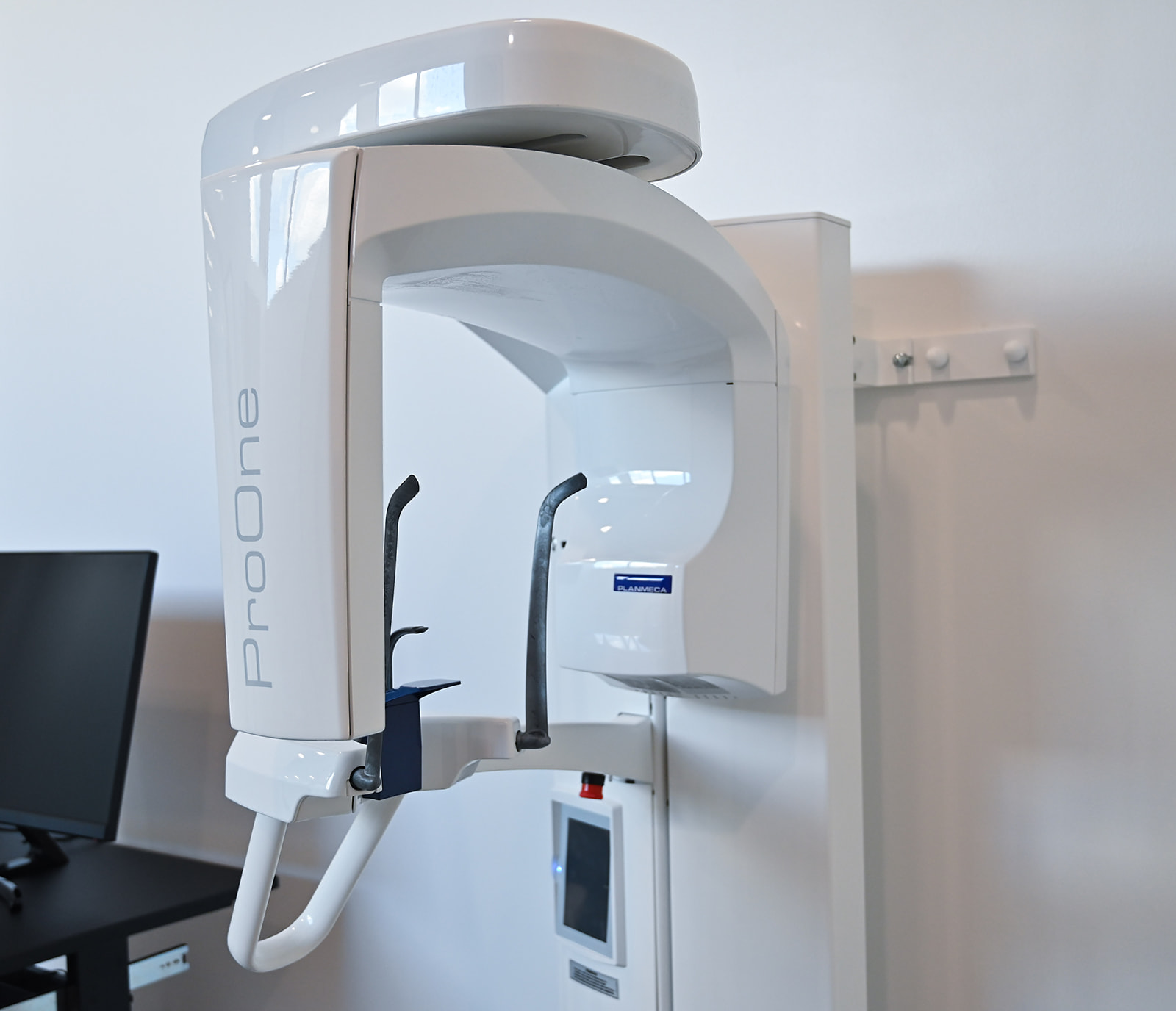
Some people find their jaw tires while eating; others notice their partner hears the grinding before they do. Because the symptoms spread out across the head and neck, they are often treated everywhere except the joint itself. A dental assessment is worth having because so many cases trace back to how the teeth meet and how hard they are being pressed together overnight.
We begin by working out what is actually driving it. That means examining how your teeth meet, checking the joints as you open and close, feeling the muscles along the jaw and temple for tenderness, and looking for the flattened, polished wear facets that indicate grinding. Your own account of when the pain is worst is often the most useful piece of information.
For most people, the first step is conservative and reversible: a custom-fitted splint worn at night, which separates the teeth and takes the load off the joint and the muscles. Alongside it we look at the everyday contributors - daytime clenching, chewing habits, posture at a desk, and whether a high spot on a filling or crown is pushing the bite off.
Where symptoms do not settle or the joint itself appears damaged, we will say so and refer you to an oral and maxillofacial specialist rather than keep adjusting from here.
Because the symptoms are usually managed rather than cured, TMJ care belongs with our ongoing preventive care and its regular reviews.

Those grooves are often narrower than a single toothbrush bristle, so decay begins somewhere you cannot see it. This is why a child who brushes conscientiously can still arrive with a cavity in a back tooth, and why those first permanent molars - which arrive around age six, before most children brush well unsupervised - are the most commonly filled teeth in the mouth.
A sealant fills in those grooves before decay can. The tooth is cleaned and dried, a conditioning gel is applied for a few seconds and rinsed away, and a flowable resin is painted into the grooves and hardened with a curing light. The surface is then checked against the opposing tooth so the bite feels normal.
There is no drilling and nothing is removed from the tooth, so no numbing is needed. Each tooth takes only a few minutes, and several can usually be done in the same visit as a cleaning.
Sealants are most often placed on children's permanent molars soon after they erupt, but adults with deep grooves and no decay in those teeth are candidates too. We check them at each recall visit and top one up if it has worn.
Sealants are one of the simplest things in our preventive dental care, and among the cheapest ways to avoid a filling later.
Parents also tell us they are not sure when to start, how much fluoride is right, or whether a tooth that looks slightly grey is worth a phone call. Because we are a general practice, you do not need to book separate appointments at separate offices. A parent and a child can be seen on the same visit, in the same building, by the same team that already knows the family's history.
A first visit is mostly about familiarity. We count the teeth, check how the bite is developing, look for early decay between the back teeth, and let your child hold the mirror and see what we see. If everything is healthy, that may be the whole appointment.
From there, a typical recall visit includes a gentle cleaning, a fluoride application where it is appropriate, and a conversation with the parent about what is changing - crowding, thumb habits, grinding, or a permanent tooth arriving behind a baby tooth that has not yet loosened. Where a tooth needs treatment, we explain what we found and what the options are before anything is scheduled.
If a child needs care that is better delivered by a specialist, we will tell you plainly and help you get there rather than attempt it here.
For children at higher risk of decay we often pair a cleaning with dental sealants, a thin protective coating for the back teeth that does most of the chewing.
Everything we do for children sits within our preventive dental care - the aim is to head off the first filling rather than treat it.

Bonding uses tooth-colored composite, shaped directly onto the tooth and hardened in place. Because it is applied rather than manufactured, most cases are finished in a single appointment and often need little or no removal of natural tooth structure.
That makes it the most conservative option for small cosmetic corrections, and a sensible starting point when you are not ready to commit to veneers.
Bonding is the least invasive of our cosmetic dentistry options, and it is worth comparing against the alternatives before you decide.
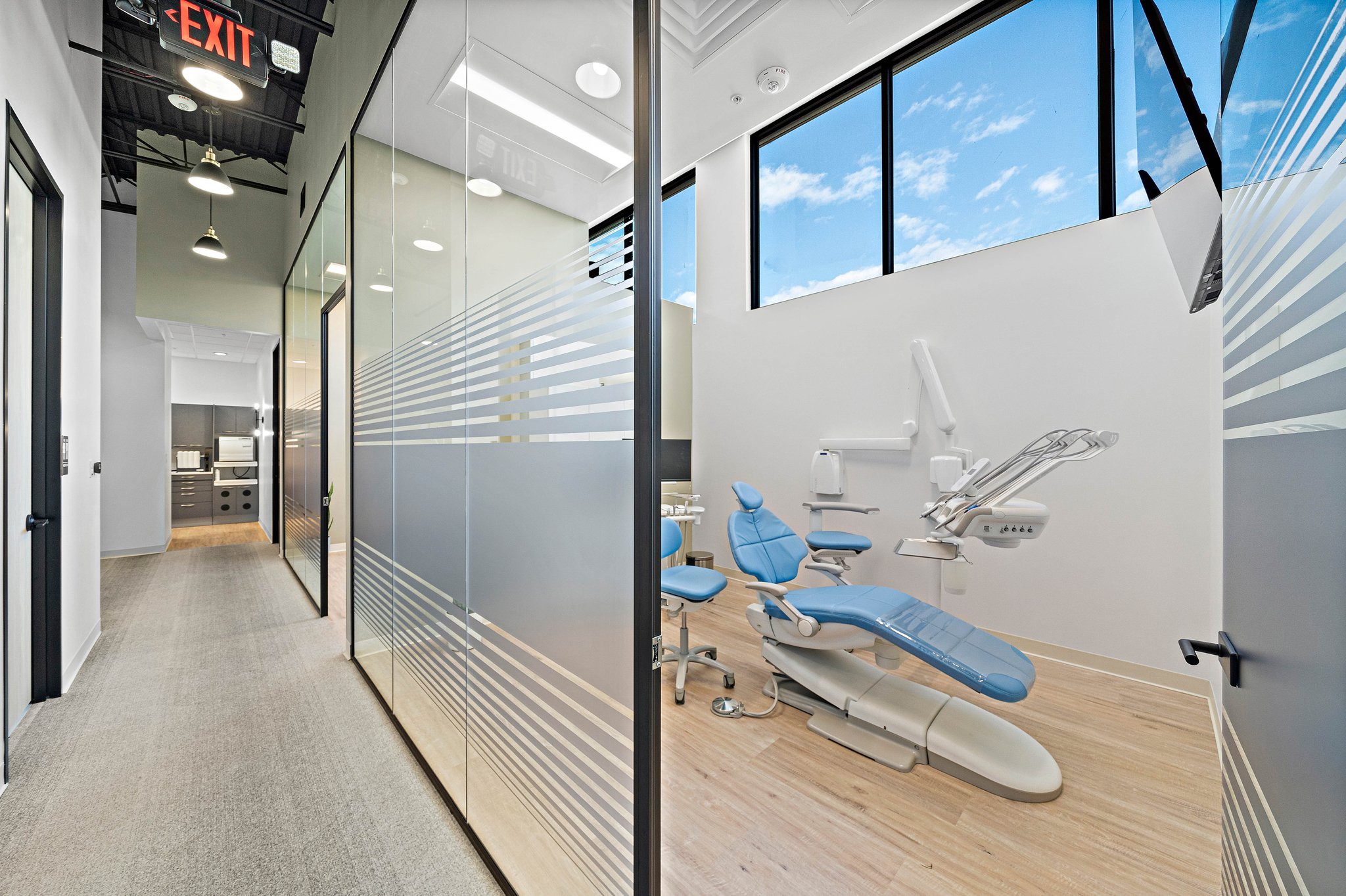
A smile makeover is a plan rather than a single treatment. It might combine whitening, veneers, crowns, bonding or orthodontic alignment - whatever the specific combination is that addresses color, shape, alignment and proportion together instead of one at a time.
It begins with a conversation and a digital scan. Because we plan on an iTero scan, you can see the proposed changes modelled before committing to anything, which turns a leap of faith into an informed decision.
A makeover usually combines several treatments, so it is worth seeing the full range of cosmetic dentistry we offer before you settle on a plan.
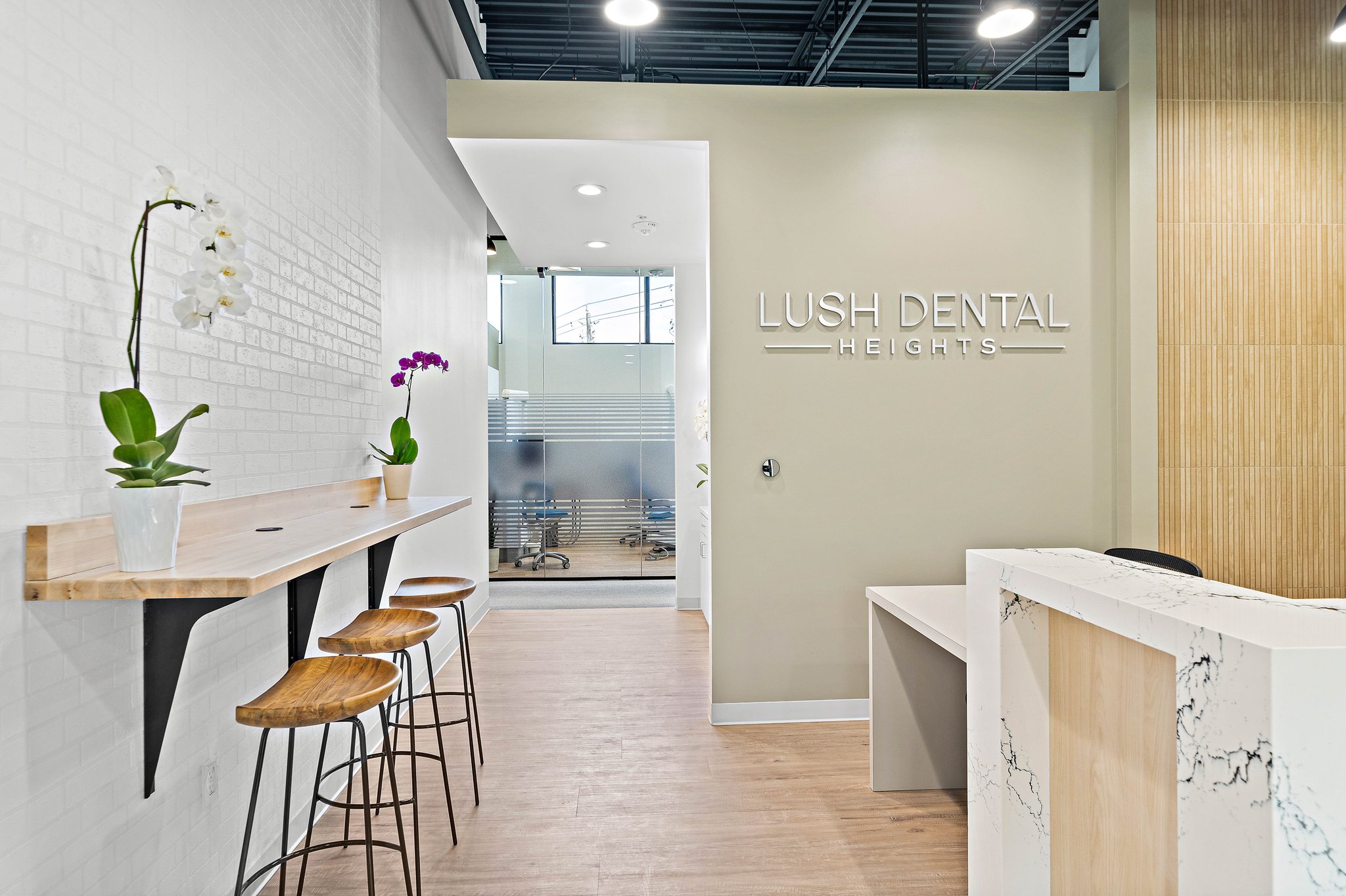
Gum disease is an infection of the tissue and bone that hold your teeth in place. In its early stage - gingivitis - the gums are inflamed and bleed easily, and it is reversible. Once it advances into periodontitis, the bone supporting the teeth begins to be lost, and that part does not grow back.
The practical consequence is that timing matters more here than in almost any other area of dentistry. Treating inflammation early is straightforward. Managing advanced bone loss is a much longer road.
Catching it early is the whole point of preventive dental care, where the gums are checked at routine visits rather than only when something hurts.
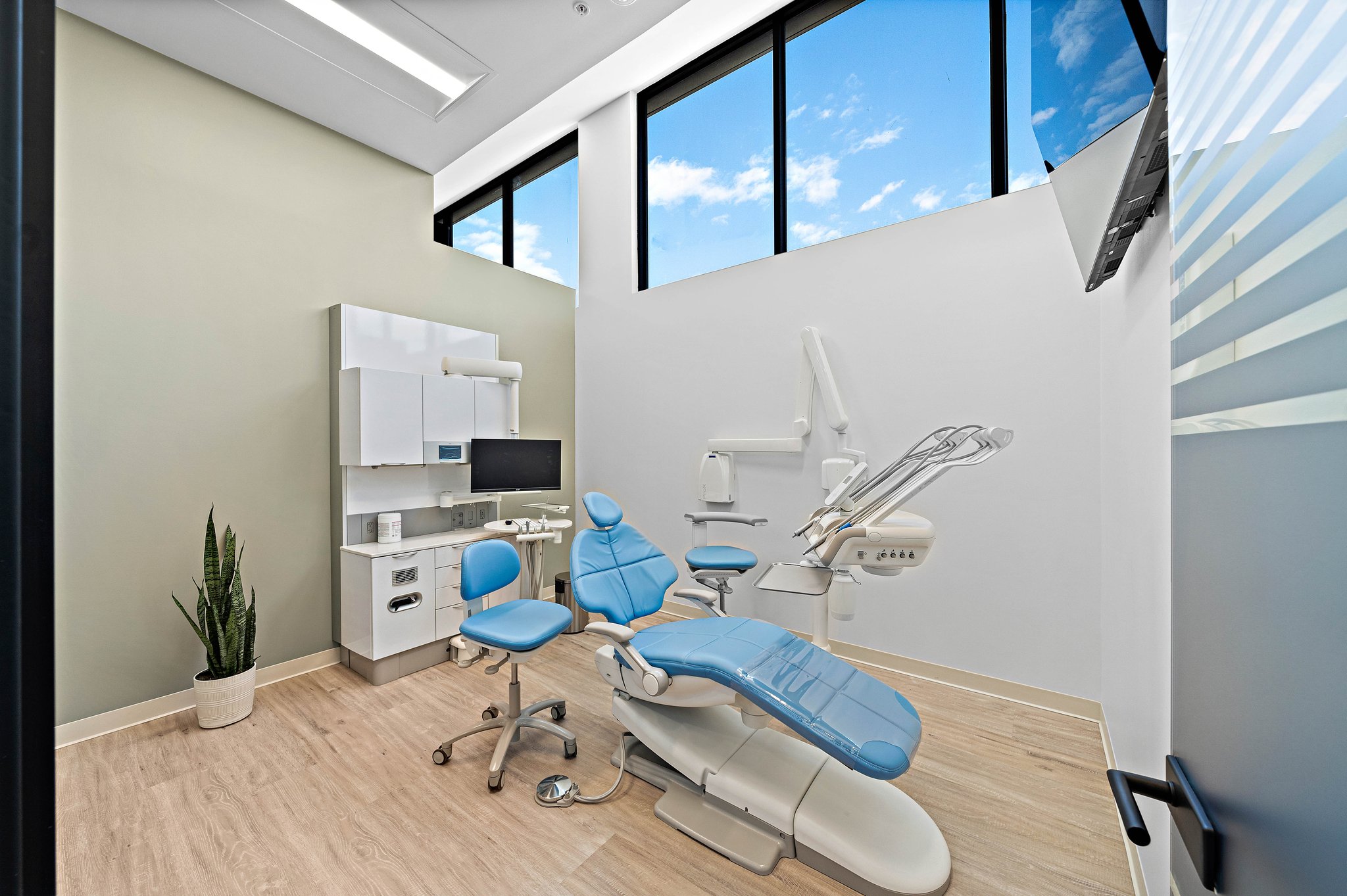
Where several teeth or an entire upper or lower set are missing, dentures restore the ability to chew properly and give the lips and cheeks the support that keeps your face looking like itself. A partial denture fills the gaps around teeth you still have; a full denture replaces an entire arch.
They are also the most accessible option. Where a fixed solution is not practical - for cost, bone levels or timing - a well-made denture restores a great deal of function and can be made while other plans are considered.
Dentures sit within our restorative dentistry care, alongside the fixed options worth weighing against them.
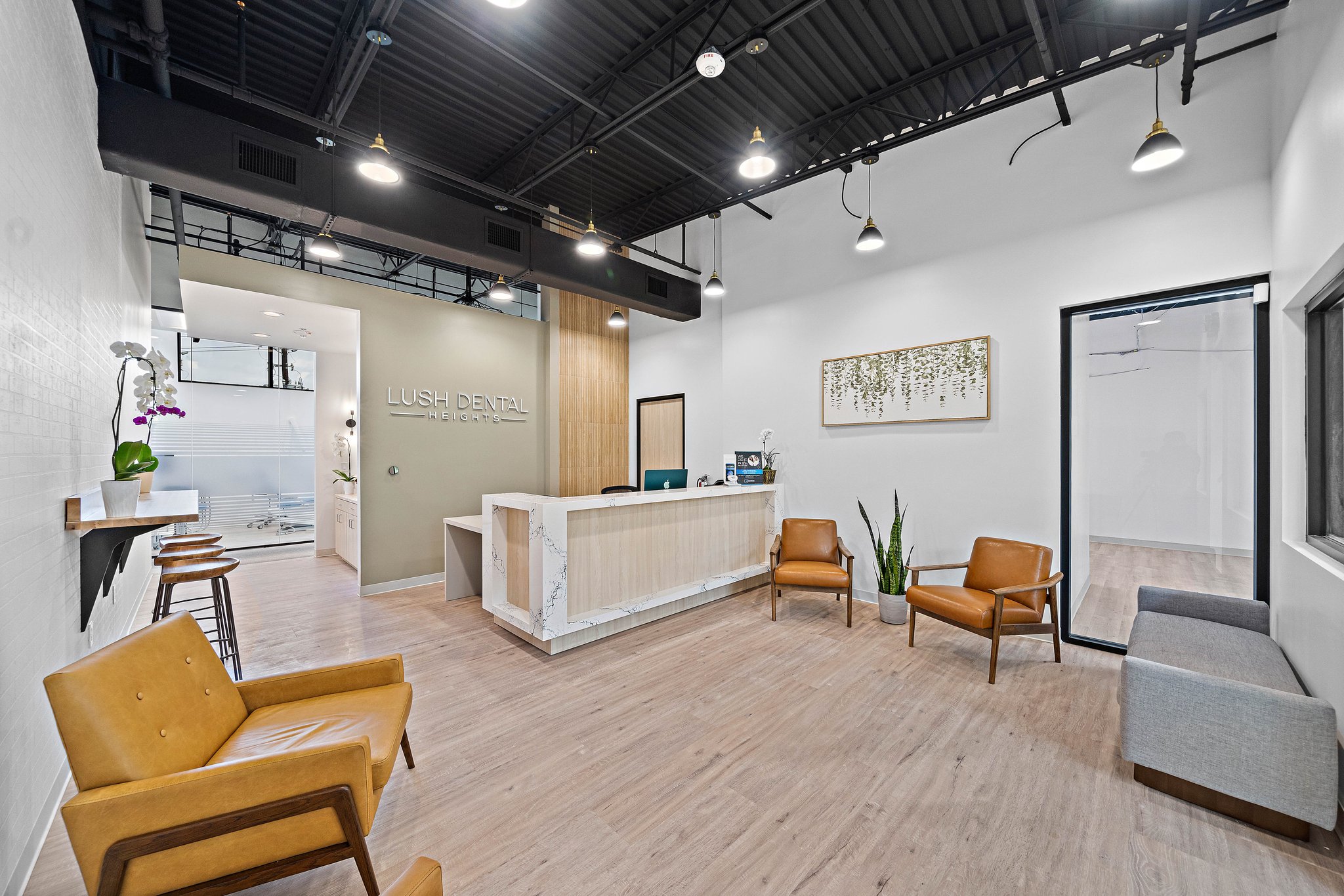
A tooth comes out when keeping it would cost you more than losing it: decay too deep to restore, a fracture running below the gum line, infection that will not resolve, or bone loss from gum disease that has left the tooth without support.
Before recommending an extraction we look hard at the alternatives - a filling, a crown, root canal therapy or periodontal treatment. If one of those can save the tooth predictably, that is what we will suggest instead.
Where a tooth is coming out and a replacement may follow, placing a bone graft into the socket at the same appointment preserves the ridge and makes that replacement simpler later on.
Removing a tooth is the last resort among our restorative options, and the ways of replacing it afterwards sit in the same place.
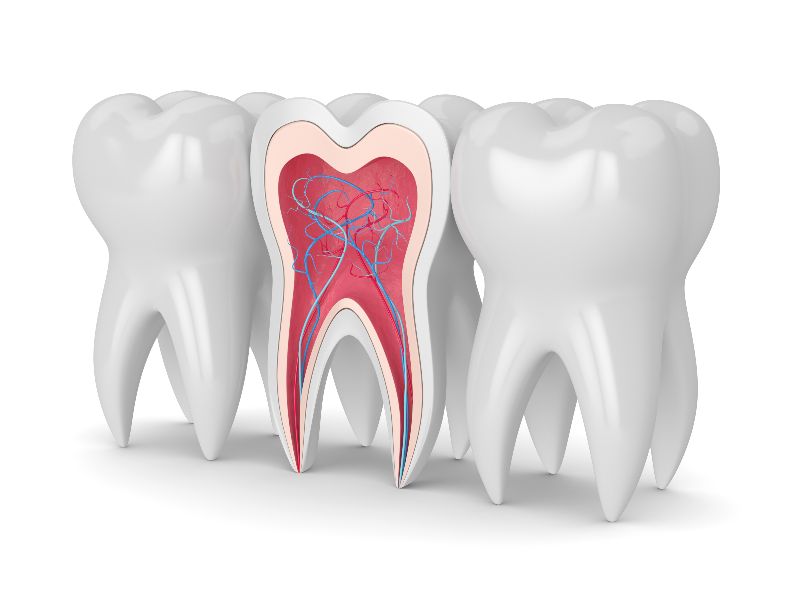
When infection reaches the pulp at the center of a tooth, there are only two realistic paths: remove the infected tissue and keep the tooth, or remove the tooth entirely. Root canal therapy is the option that saves it.
Keeping your own tooth matters more than most people realize. A natural root holds the bone around it, keeps neighbouring teeth from drifting and preserves your bite exactly as it was. No replacement does all three as well as the tooth you already have.
Saving a tooth this way sits at the heart of our restorative care, where the aim is always to keep what you have before replacing it.

Composite fillings are shaded to match the tooth they sit in, so a repaired molar looks like a healthy one rather than a flash of silver. They also bond directly to the tooth structure, which means less healthy enamel has to be removed to hold the filling in place.
Most fillings are completed in a single visit. You are numb before we begin, the decay is removed, the tooth is rebuilt, and you leave with the tooth already back in service.
A filling is the smallest of our restorative treatments, and the earliest point at which decay can be dealt with simply.

Whether you're looking to brighten your teeth, close a gap, or achieve a full smile makeover, Dr. Pasha Noorian and our warm, professional team are here to help you achieve the natural-looking results you desire. Using modern tools like the iTero scanner and electric handpieces, we ensure every procedure is precise, efficient, and, most importantly, comfortable.
Your smile is often the first thing people notice, and it plays a big role in your self-confidence. Cosmetic dentistry can help correct stained, chipped, misaligned, or uneven teeth, giving you more reasons to love your smile. Whether it’s the daily effects of aging, the consequences of an accident, or the natural wear and tear of life, cosmetic dental procedures can restore the youthful, vibrant look of your smile.
At Lush Dental Heights, we understand the emotional significance of aesthetic dental work. That’s why each treatment is tailored to your unique goals, lifestyle, and comfort level. We know that everyone’s smile is different, and our goal is to ensure yours is an authentic reflection of you.
In addition to enhancing your appearance, cosmetic dentistry can help address functional concerns. For example, missing or misaligned teeth may make eating difficult, while chipped or cracked teeth may affect your speech. These issues can often be resolved through cosmetic procedures, providing both aesthetic and practical benefits. Our team is committed to not only making your smile beautiful but also improving your overall dental health.
You can see every treatment we group under cosmetic dentistry, or browse all of our dental services to compare your options.

Whether you're dealing with decay, cracks, worn teeth, or missing teeth, Dr. Pasha Noorian utilizes advanced digital dentistry, including the iTero scanner, to deliver comfortable care with remarkable accuracy. Patients who once dreaded dental visits are often pleasantly surprised by how streamlined, gentle, and predictable treatment can be when supported by the right technologies and techniques at our office.
Restorative dentistry isn't just about fixing teeth. It is about restoring your confidence, your bite, and your overall quality of life. When teeth are damaged, untreated dental issues can lead to larger concerns such as jaw pain, difficulty eating, shifting teeth, gum disease, and additional tooth loss.
Even a small cavity can weaken your bite over time, and cracks can deepen until they become painful emergencies. Addressing these concerns early helps avoid extensive and costly treatment later on. Dr. Noorian offers a boutique dental experience in Houston that prioritizes your needs using the latest materials and modern techniques.
From tooth-colored fillings to crowns matched perfectly to your smile, every detail is planned with precision and warmth. Restorative dentistry not only corrects structural issues but also improves oral function, enhances aesthetics, and prevents long-term complications.
If you have been avoiding the dentist due to anxiety or past negative experiences, Lush Dental Heights is here to help. Our office environment is calm, upscale, and supportive. Your comfort and understanding of each step matter just as much as the final outcome. Restorative care sets the foundation for a healthier, longer-lasting smile.
Restorative work usually begins with a routine exam, so it pairs naturally with preventive dental care. You can see everything we group under restorative dentistry, or browse all of our dental services to see the full range.

Night guards are custom-made dental appliances designed to protect your teeth from the damaging effects of grinding and clenching, commonly known as bruxism. At Lush Dental Heights, Dr. Pasha Noorian provides expertly crafted night guards tailored to fit comfortably and securely in your mouth, ensuring optimal protection while you sleep. These guards are made from high-quality materials that are durable yet gentle on your teeth, offering a practical solution to prevent wear and tear.
Investing in a night guard can significantly improve your oral health and overall well-being. Bruxism can lead to severe dental issues, such as worn-down teeth, fractures, and even tooth loss over time. By wearing a night guard, you can prevent these problems and save yourself from costly dental treatments in the future. Additionally, night guards can alleviate symptoms associated with bruxism, such as jaw pain and headaches, enhancing your quality of life. Protecting your teeth with a night guard is a proactive step towards maintaining a healthy, beautiful smile.
A night guard is a protective measure, which is why we treat it as part of preventive dental care rather than a one-off fix. If you play contact sports, a sports mouth guard is a separate appliance built to absorb impact.
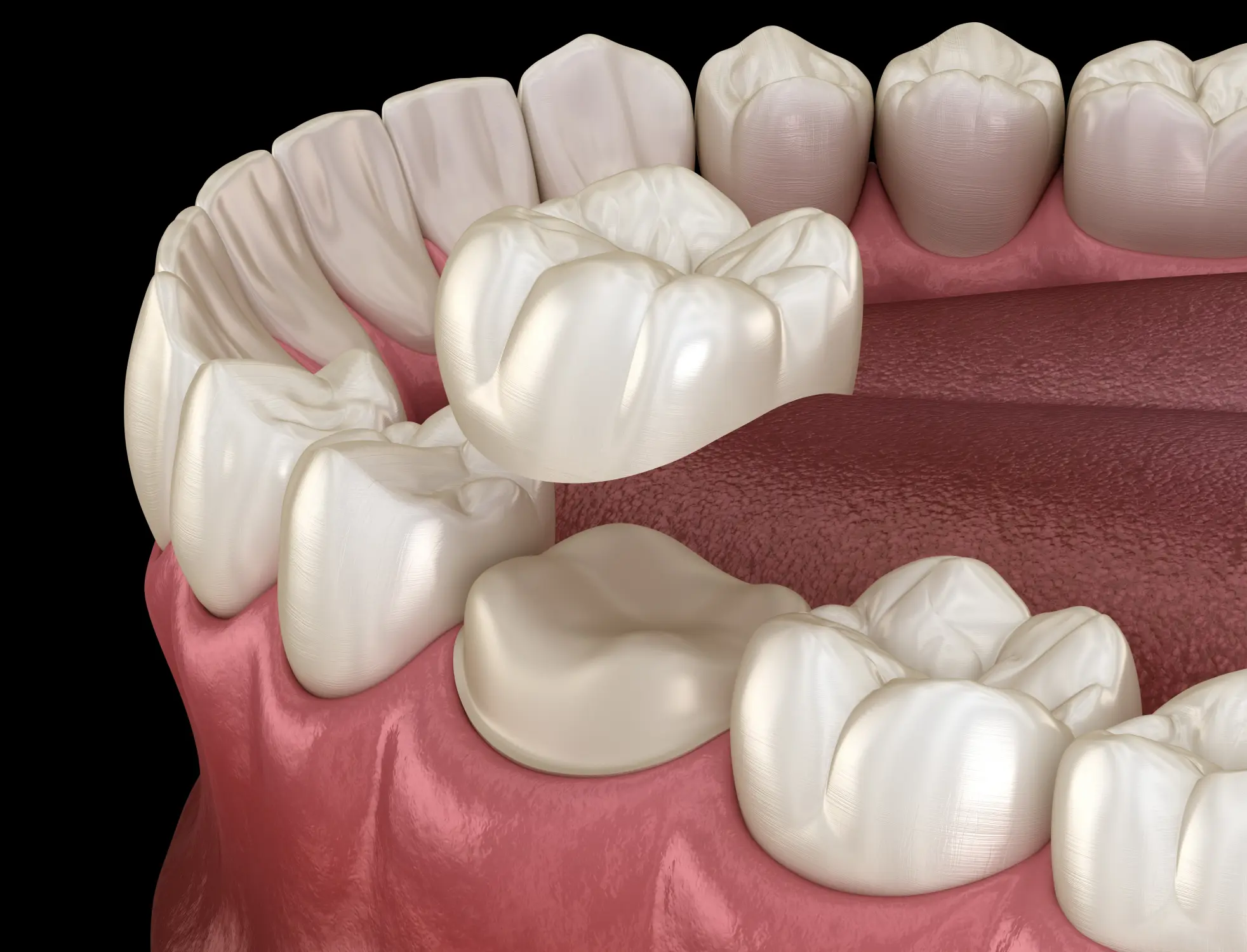
A same-day crown is a permanent ceramic crown that is designed and milled in our Houston Heights office during a single appointment, using a digital scan and CAD/CAM technology instead of a lab. You arrive with a damaged tooth and leave about an hour later with your new crown in place.
How it is different from a traditional crown: a lab-made crown needs two visits a couple of weeks apart and a temporary crown in between, which can come loose or feel rough. With a same-day crown, the tooth is prepared, scanned with a 3D scanner, and the crown is milled from a solid block of ceramic in about 15 to 20 minutes, then shaded, checked, and bonded in the same visit. The result is a strong, natural-looking crown without the wait.
Who same-day crowns suit: most teeth that need a new crown, including cracked or broken teeth, teeth with large failing fillings, and teeth that have had root canal therapy. Because everything happens in one visit, they are especially useful if you are fitting treatment around work, and our office is an easy trip from Sunset Heights, Garden Oaks, and Greater Heights. For a very visible front tooth, or a bite that calls for a specific material, we may recommend a lab-made dental crown instead, and we will tell you which at the exam.
Cost and insurance: a same-day crown is priced like a traditional crown, and because it restores a damaged tooth it is usually covered in part by dental insurance. We accept most plans, including Aetna, Cigna, Delta Dental, Guardian, MetLife, and UnitedHealthcare, and are happy to help you check your coverage. You get the cost before the tooth is prepared, and financing is available through Cherry, CareCredit, Sunbit, and HFD, pending approval.
Crowns made this way belong to our wider restorative dentistry care, alongside the other ways a damaged tooth can be rebuilt. If your tooth has just broken or is painful, our emergency dentist page explains how to get seen today, and our post on same-day vs. traditional crowns goes deeper into the trade-offs.
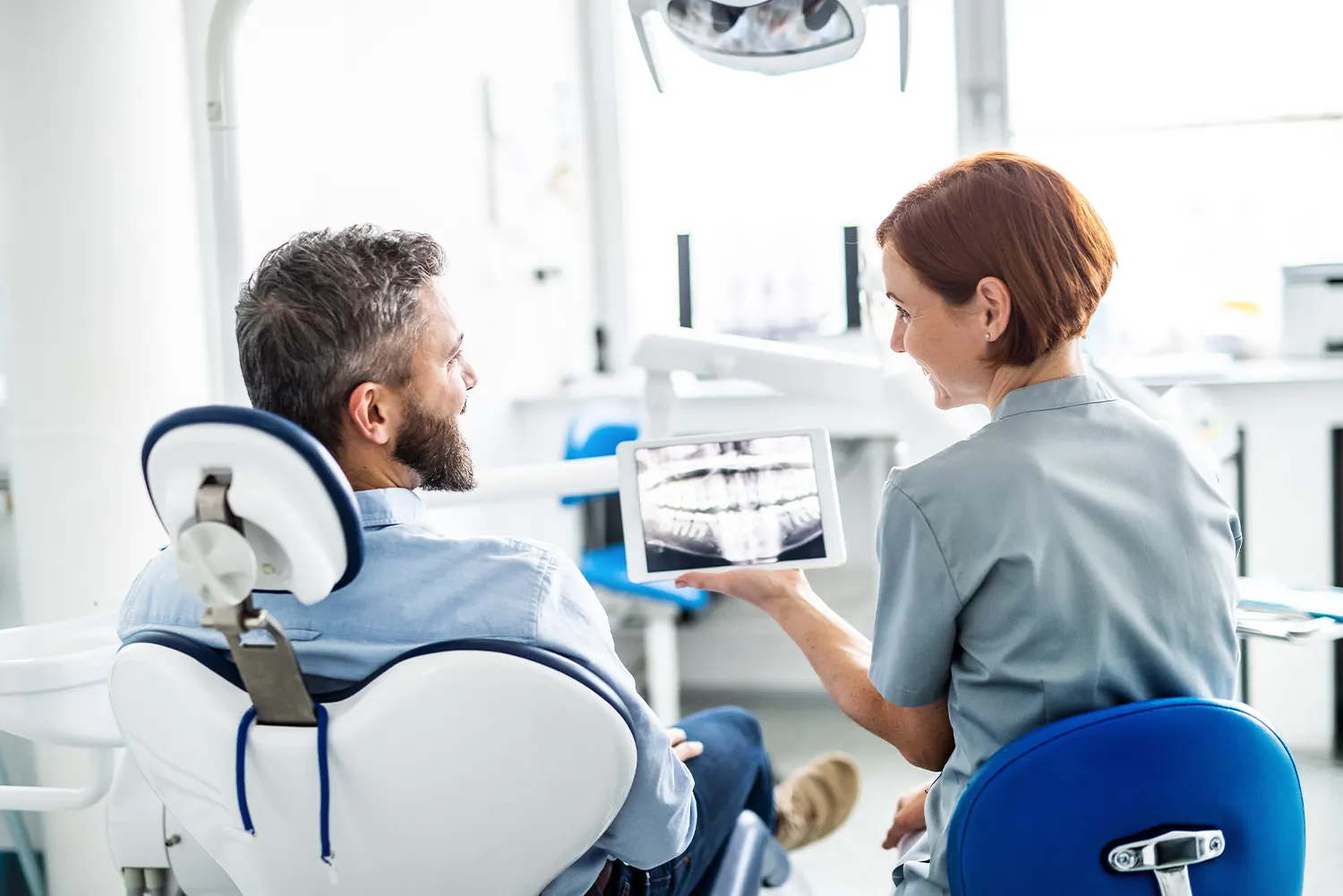
Preventive dentistry is the routine care that stops problems before they start: a professional teeth cleaning, a thorough exam, digital X-rays when needed, and fluoride. At Lush Dental Heights in Houston, Dr. Pasha Noorian and his hygienists make the visit gentle and tell you plainly what they find.
Your cleaning: brushing and flossing cannot remove tartar, the hardened plaque that builds up along the gum line and between teeth. Our hygienists scale it away, polish the teeth to remove surface stains, and floss between every tooth. Most patients are done in under an hour and leave with teeth that feel noticeably smoother. If your gums bleed or you have not been in for a while, we take it slowly and tell you what to expect; if there is gum disease, a deep cleaning may be recommended instead.
Your exam: Dr. Noorian checks every tooth for decay, cracks, and worn fillings, examines your gums, bite, and the soft tissues of your mouth, and reviews digital X-rays, which use a fraction of the radiation of old film and show decay between teeth and under fillings that cannot be seen by eye. You get a plain-language summary of what we found and what, if anything, needs attention, in order of priority.
Fluoride, sealants, and protection: a fluoride treatment at the end of the visit strengthens enamel and is worth it for adults as well as children, especially if you get cavities often, have receding gums, or have a dry mouth from medication. Dental sealants protect the deep grooves of back teeth, and a custom night guard protects teeth and crowns from grinding. We also see children for cleanings and checkups through our children’s dentistry program.
Cost and insurance: routine cleanings and exams are among the most widely covered dental services; many plans cover them at a higher percentage than other treatment, often in full once or twice a year. We accept most insurance plans, including Aetna, Cigna, Delta Dental, Guardian, MetLife, and UnitedHealthcare, and are happy to help you check your benefits. New patients can take advantage of our new-patient special for a cleaning, exam, and X-rays, and financing is available through Cherry, CareCredit, Sunbit, and HFD, pending approval.
Cleanings, exams, fluoride, and gum disease treatment all sit within our wider preventive dental care program, and you can see how it fits alongside the rest of our dental services. We are open Tuesday through Saturday, with early appointments on Wednesdays and Saturday hours, and we welcome patients from Garden Oaks, Greater Heights, Rice Military, and Woodland Heights.

Porcelain veneers are thin, custom-made shells bonded to the front of your teeth to correct chips, gaps, discoloration, and uneven or misshapen teeth in one treatment. At Lush Dental Heights in Houston, each veneer is designed from a digital scan and made to match the shape and shade you want.
What veneers can fix: stains that do not respond to whitening, chipped or worn edges, small gaps, teeth that are slightly crooked or different lengths, and teeth that look too small or too narrow. Because every veneer is shaped individually, you can change one tooth that bothers you or redesign the whole smile line. If the main issue is crowding or bite, Invisalign may be the better route, and our post on whether veneers can fix crooked teeth without braces explains where that line falls.
Porcelain veneers vs. bonding vs. no-prep: porcelain is the longest-lasting and most natural-looking option, with a translucency that mimics enamel and a surface that resists stains. Dental bonding uses tooth-colored composite shaped directly on the tooth in a single visit; it costs less and needs little or no enamel removal, but it is less durable and stains more easily. For patients who want to keep their enamel untouched, we also offer no-prep veneer options, which are thinner and can often be placed without reshaping the tooth.
How the treatment works: it starts with a cosmetic consultation, where we look at your teeth, gums, and bite and talk through what you want to change. Your teeth are then prepared by removing a thin layer of enamel, a digital scan replaces the old goopy impression tray, and the scan goes to the lab that crafts your veneers. You wear temporary resin veneers while they are made, and at the final visit each veneer is checked for fit and shade and bonded permanently with dental adhesive.
Cost and what affects it: the cost of veneers depends on how many teeth are treated, the material, and whether any other work, such as whitening the neighboring teeth or a crown on a damaged tooth, is part of the plan. We give you a quote for the full treatment at your consultation. Veneers are cosmetic, so insurance rarely contributes, and financing is available through Cherry, CareCredit, Sunbit, and HFD, pending approval. If you want a brighter shade overall, we recommend teeth whitening first, then matching the veneers to the new color.
Veneers are one of several cosmetic dentistry options we offer, from a single bonded tooth to a full smile makeover, and you can see how they compare with the rest of our dental services before you decide. We welcome patients from Sunset Heights, Rice Military, Garden Oaks, and the surrounding Houston neighborhoods.

Invisalign straightens teeth with a series of clear, removable aligners instead of brackets and wires. At Lush Dental Heights in Houston, treatment is planned by Dr. Pasha Noorian, an Invisalign Diamond Provider, and starts with a free consultation and a digital iTero scan that previews your new smile.
What Invisalign can treat: crowding, gaps, overbite, underbite, crossbite, and teeth that have shifted after braces. The aligners are thin, nearly invisible, and come out for eating, brushing, and flossing, so there is no change to your diet and no wires to poke your cheeks. Most adults and teens with mild to moderate alignment issues are candidates; severe bite problems may still need braces, and we will tell you which at the consultation. Our post, Am I a good candidate for Invisalign?, covers the common questions.
Why a Diamond Provider matters: Align Technology awards Diamond status to dentists who treat a high volume of Invisalign cases each year, so you are treated by a dentist who plans aligner cases every week, not occasionally. Dr. Noorian is also a member of the American Academy of Clear Aligners (AACA) and has completed the Reingage Part I and II advanced aligner courses. Every case begins with an iTero digital scan, no goopy impressions, and the scan shows a preview of where your teeth can move before you commit.
Invisalign vs. braces: braces are fixed, visible, and require you to avoid sticky and hard foods; aligners are removable, discreet, and easier to keep clean, which matters for gum health over a year of treatment. Braces can still be the better tool for complex bite corrections. In cost, Invisalign is usually comparable to braces, and our all-inclusive new-patient offer on this page spells out exactly what is included.
Cost, insurance, and financing: the price depends on how complex your case is and how many aligners it needs, and you get the full figure at your free consultation, with nothing hidden. Many dental plans with orthodontic benefits contribute toward Invisalign, and we are happy to help you check your coverage. Financing is available through Cherry, CareCredit, Sunbit, and HFD, pending approval. See our guide to what to expect at your first Invisalign consultation before you come in.
Straightening is one of several cosmetic dentistry routes to a better-looking smile, and it pairs well with teeth whitening once your aligners are done. We see Invisalign patients from across Houston, including River Oaks, Garden Oaks, Rice Military, and Greater Heights.

A dental bridge replaces one to three missing teeth in a row with a fixed row of porcelain teeth, held in place by crowns on the teeth either side of the gap. At Lush Dental Heights in Houston, a bridge is scanned digitally, custom-made to match your smile, and fitted in two visits.
Why fill the gap at all: when a tooth is lost, the teeth beside it begin to drift into the space and the tooth above or below it over-erupts, which changes your bite and makes cleaning harder. A bridge keeps everything in place, restores your chewing, and brings back your smile, and because it is cemented in it does not move the way a removable partial denture can.
Types of bridges: a traditional bridge uses crowns on both neighboring teeth to hold the replacement tooth; a cantilever bridge anchors to a tooth on one side only; a Maryland bridge bonds small wings to the back of the neighboring teeth and is often used for a front tooth. An implant-supported bridge rests on dental implants instead of natural teeth, which spares the neighboring teeth and preserves the bone, but it does involve minor surgery and a longer timeline.
Bridge or implant? A bridge is faster, needs no surgery, and costs less up front, but the anchor teeth must be reshaped and the bone under the missing tooth will slowly shrink. An implant replaces the root, leaves the neighboring teeth untouched, and lasts longest, but takes several months. Which is better depends on the condition of the neighboring teeth, your bone, and your budget, and both are among the restorative dentistry options we will walk you through before you decide.
Cost and insurance: the cost depends on how many teeth the bridge replaces, the material (metal-free porcelain or zirconia versus porcelain on a metal frame), and any work needed first, such as a tooth extraction. Bridges that replace missing teeth are usually covered in part by dental insurance, and we accept most plans, including Aetna, Cigna, Delta Dental, Guardian, MetLife, and UnitedHealthcare. You get the cost at your consultation, and financing is available through Cherry, CareCredit, Sunbit, and HFD, pending approval.
We make bridges for patients from across Houston, including Garden Oaks, Greater Heights, and Rice Military. If you have lost a tooth to an injury or infection, our emergency dentist page explains how to be seen the same day.

A dental implant replaces the whole tooth, root and crown, so it looks, feels, and works like the tooth you lost, and it keeps the jawbone underneath healthy. Lush Dental Heights provides dental implants in Houston Heights for patients from across Houston, from a single tooth to several.
Who dental implants are for: adults who are missing one tooth, several teeth, or who have been told a tooth cannot be saved. You need healthy gums and enough jawbone to hold the implant; if bone has shrunk since the tooth was lost, a bone graft usually closes that gap before the implant goes in, and active gum disease is treated first with gum disease treatment. Smoking and uncontrolled diabetes slow healing, so we talk through those honestly at the consultation.
Implants compared with bridges and dentures: a dental bridge needs the neighboring teeth ground down to carry it, and a removable denture rests on the gum while the bone beneath it slowly shrinks. An implant stands on its own, leaves the teeth beside it untouched, and keeps the bone stimulated the way a natural root does. Implants are one of several restorative dentistry options for replacing a missing tooth, so it is worth reading through all of them before you decide.
What dental implants cost in Houston: nationally, a single implant with its abutment and crown commonly falls in the $3,000 to $6,000 range, and an implant bridge replacing three teeth around $6,000 to $10,000. Those are reference ranges, not a quote: your figure depends on whether an extraction or bone graft is needed first, the crown material, and your insurance, which often contributes toward the crown or extraction even when it does not cover the implant itself. At your consultation we go through the treatment plan and what each stage costs, and financing is available through Cherry, CareCredit, Sunbit, and HFD, pending approval. Our guide, How much does a dental implant cost in Houston Heights?, breaks the numbers down further.
Why Lush Dental Heights: Dr. Pasha Noorian, DMD, is a Houston native who trained at the University of Texas at Austin and Tufts University School of Dental Medicine, and he plans every implant on a cone-beam CT (CBCT) scan, a 3D image of your jaw that shows exactly where the implant will sit before anything is done. Your custom crown is either milled in our office or made by our partner lab to match the teeth beside it. Patients come to us from across Houston, including River Oaks, Garden Oaks, Rice Military, and Greater Heights, roughly ten minutes from our door.

If you are in pain, bleeding, or have damaged a tooth, you probably need emergency dental care. Lush Dental Heights is an emergency dentist in Houston, TX, and we offer same-day emergency appointments at our Houston Heights office so a small problem does not become a big one.
Common dental emergencies: a severe or persistent toothache, a knocked-out tooth, a chipped, cracked, or broken tooth, a lost filling or crown, a loose adult tooth, bleeding or swollen gums after an injury, and facial swelling or an abscess that points to a tooth infection. Persistent pain is a sign that something is wrong, especially if you cannot explain it or cannot manage it yourself. Nothing should be falling out of your mouth, so a lost tooth or lost dental work counts as an emergency too.
What happens at an emergency visit: your emergency exam is problem-focused. We take the X-rays we need, examine the tooth or area that hurts, and give you a treatment plan so you know what is recommended and why. Saving the natural tooth is usually the goal, whether that means root canal therapy, a filling, or a crown. If a tooth cannot be saved, we will explain extraction and your options for replacing it.
When you can be seen: we are open Tuesday through Saturday, with early appointments from 7:00 AM on Wednesdays and Saturday hours until 3:00 PM. Walk-in emergency appointments are available, and after-hours and weekend emergency appointments can be arranged by appointment. Call (713) 487-9618 first so our team can confirm whether you need to be seen right away and guide you through self-care in the meantime.
Cost, insurance, and payment: we offer affordable emergency dental exams, and the exam includes the necessary X-rays, a limited exam, and a treatment plan. We accept most dental insurance plans, including Aetna, Ameritas, Cigna, Delta Dental, Guardian, MetLife, Principal, Sun Life, and UnitedHealthcare. Financing is available through Cherry, CareCredit, Sunbit, and HFD, pending approval, so treatment does not have to wait on your budget.
Where we are: our office is at 5307 N Main St, Suite 200, in Houston Heights, a short drive for patients in Garden Oaks, Greater Heights, Rice Military, Sunset Heights, Woodland Heights, and River Oaks. If you have bleeding that will not stop, swelling that makes it hard to breathe or swallow, or a possible broken jaw, go to the nearest emergency room or call 911 first, then call us about the tooth once you are safe.
Many dental emergencies start as a small cavity or crack that a routine exam would have caught, which is what our preventive care is there to do. If you grind your teeth or play contact sports, a custom night guard or sports mouth guard lowers the risk of a cracked or knocked-out tooth. And if you are not sure whether your toothache is urgent, our guide Is a sudden toothache a dental emergency? walks through the warning signs.

A dental crown is a custom-made cap that covers a damaged tooth down to the gum line, restoring its shape, strength, and appearance. At Lush Dental Heights in Houston, crowns are made from porcelain or zirconia, by our partner lab or in-office the same day.
When a crown is the right fix: a tooth that is cracked or has a large old filling that keeps breaking, a tooth worn flat by grinding, a tooth that has had root canal therapy and needs protecting, a badly discolored or misshapen tooth that bonding cannot fix, or a dental implant that needs its final tooth. Crowns also anchor a dental bridge. When the damage is small, a filling is enough; when it is large, a crown keeps the tooth from splitting and saves it from extraction.
Types of crowns we offer: all-ceramic porcelain and zirconia crowns are metal-free, strong, and the most natural-looking, which makes them our usual choice for front and back teeth alike. Porcelain-fused-to-metal crowns remain an option where extra strength is needed. If you would rather not wait for the lab, a same-day CEREC crown is designed and milled in our office in a single visit, with no temporary crown. We will recommend the material that suits the tooth and your bite, and our post on metal-free crowns explains the differences.
How a crown is placed: the tooth is numbed, decay and weak enamel are removed, and the tooth is reshaped to hold the crown. A 3D intraoral scanner captures the prepared tooth, no putty needed, and photos record the shade. For a lab-made crown you wear a temporary crown for a couple of weeks and return for the final fitting, where the crown is checked for fit and bite and bonded permanently with dental adhesive. For a same-day crown, the whole process happens in one appointment.
Cost and insurance: the cost of a crown depends on the material, whether a root canal or a build-up of the tooth is needed first, and your insurance. Crowns placed to restore a damaged tooth are usually covered in part by dental insurance, and we accept most plans, including Aetna, Cigna, Delta Dental, Guardian, MetLife, and UnitedHealthcare. You get the cost of your treatment plan before anything starts, and financing is available through Cherry, CareCredit, Sunbit, and HFD, pending approval.
Crowns are part of our wider restorative dentistry care, which covers the range of ways we rebuild a damaged or missing tooth. If a tooth has just broken and hurts, see our emergency dentist page for same-day help. We treat patients from across Houston, including Garden Oaks, Greater Heights, and Rice Military.

Professional teeth whitening is the quickest and one of the least expensive ways to change how your smile looks. At Lush Dental Heights in Houston, in-office whitening takes about an hour, and a dentist checks your teeth first so the result is even, comfortable, and safe for your enamel.
In-office whitening: after a quick exam, your lips and gums are protected, a professional-strength whitening gel is applied to the teeth, and a light activates it. The appointment takes about 45 minutes to an hour, and you leave several shades whiter, up to eight shades for many patients, in a single visit. It is the right choice when you want results fast, for a wedding, an interview, or photos.
Take-home whitening: if you would rather whiten gradually, we also offer take-home kits with professional-strength gel that you wear for short sessions at home over a couple of weeks. Many patients combine the two: an in-office visit for the big change, then a take-home kit to top up the shade whenever they need it.
Why professional beats store-bought: drugstore strips and trays use a weaker gel and a one-size-fits-all fit, which is why results are often patchy and sensitivity is common. In the office, the gel strength is matched to your teeth, the gums are protected, and desensitizing agents keep the treatment comfortable. Our guide, Is professional teeth whitening better than store-bought kits?, compares the two in detail.
Is whitening right for you? Whitening works on natural tooth enamel, so yellow or brown surface stains from food, drink, tobacco, and age respond best. Crowns, veneers, and tooth-colored fillings do not change shade, which is why we whiten first and match any new crown or veneer to the brighter color afterward. Deep gray stains, and teeth with untreated decay or gum disease, need a different plan, and we will tell you honestly at your exam if bonding or veneers would serve you better.
Cost and what is included: whitening sits at a lower price point than almost every other cosmetic dental treatment, and because it is cosmetic, insurance does not usually cover it. We go through the cost with you before you book, and financing is available through Cherry, CareCredit, Sunbit, and HFD, pending approval. Whitening is often the simplest place to start, and it sits alongside the rest of our cosmetic dentistry options, from a single smile makeover plan to Invisalign, if you are considering more than one change. We welcome whitening patients from across Houston, including Rice Military, Garden Oaks, and Greater Heights.

© Lush Dental Heights
Website by Wonderist Agency | Privacy Policy
